What is E – Waste
What is E-Waste? Complete Guide for Bangalore Businesses Understanding Electronic Waste: Types, Hazards, and Responsible Recycling Solutions for Your Business Home › Blog › What is E-Waste? Table of Contents What is E-Waste? Types of E-Waste Hazards and Risks Why E-Waste Recycling Matters E-Waste Challenge in Bangalore Legal Requirements and Compliance Frequently Asked Questions Get Help Today E-waste (electronic waste) is one of the fastest-growing waste streams globally, with millions of tonnes generated annually. In Bangalore, thousands of businesses, IT companies, and households dispose of outdated electronics daily—often without understanding the environmental and health consequences. This comprehensive guide explains what e-waste is, why it matters, and how proper recycling can benefit your business while protecting our environment. Quick Facts About E-Waste: 62 million tonnes of e-waste generated globally annually Only 20% of e-waste is properly recycled 80% ends up in landfills or is illegally dumped Bangalore generates 500+ tonnes monthly Contains hazardous materials: lead, mercury, cadmium, chromium What is E-Waste? Definition and Overview E-waste (also called electronic waste, e-scrap, or Waste Electrical and Electronic Equipment) refers to discarded electrical or electronic devices that have reached the end of their useful life. E-waste is generated when consumers, businesses, and institutions upgrade to newer technologies or replace broken equipment. Key Characteristics of E-Waste: Contains valuable materials: Gold, silver, copper, aluminum, rare earth elements Contains hazardous substances: Lead, mercury, cadmium, chromium, asbestos Complex composition: Metals, plastics, glass, circuit boards mixed together Persistent pollutants: Many materials persist in the environment for decades Data security risk: Discarded devices may contain sensitive information Types of E-Waste: What Qualifies? E-waste encompasses almost every electronic device you use. Here’s a comprehensive breakdown of what qualifies as e-waste: Computing & IT Equipment Desktop computers and laptops Servers and data center equipment Tablets and portable computing devices Keyboards, mice, and computer peripherals Computer monitors and displays (CRT and LCD) Printers, scanners, and copiers Communication Devices Mobile phones and smartphones Feature phones and legacy devices Landline phones and VoIP equipment Networking equipment (routers, switches, modems) Telecommunication infrastructure Office Equipment Office phones and switchboards Fax machines and scanners Laminating machines and shredders Cash registers and point-of-sale systems Power & Backup Systems UPS (Uninterruptible Power Supply) systems Batteries (lead-acid, lithium-ion, alkaline) Power adapters and chargers Inverters and backup power systems Solar panels and renewable energy equipment Consumer Electronics Televisions and monitors DVD/Blu-ray players and gaming consoles Audio equipment and speakers Digital cameras and video equipment Electronic toys and devices Hazards and Risks of Improper E-Waste Disposal E-waste poses serious environmental and health hazards when not disposed of properly. Understanding these risks emphasizes why professional recycling matters for your business and community. Toxic Materials in E-Waste Material Health Impact Environmental Effect Lead Damages nervous system, cognitive issues, kidney damage Contaminates soil and groundwater for decades Mercury Neurological damage, tremors, memory loss Bioaccumulates in food chain, persists indefinitely Cadmium Kidney and bone damage, carcinogenic Contaminates water sources, very toxic Chromium Respiratory issues, skin allergies, carcinogenic Extremely toxic to aquatic life Environmental Consequences Groundwater contamination: Toxic materials leach into drinking water sources Soil pollution: Heavy metals persist in soil for decades, damaging crops and ecosystems Air pollution: Improper incineration releases toxic fumes and dioxins Bioaccumulation: Toxins accumulate in food chains, affecting wildlife and humans Climate impact: Landfilled e-waste contributes to greenhouse gas emissions Why E-Waste Recycling Matters: Benefits for Bangalore Businesses Environmental Benefits Resource Recovery: Proper e-waste recycling recovers 95% of materials, including: 1 tonne of e-waste contains more gold than 17 tonnes of gold ore Copper, aluminum, and steel recovered for industrial reuse Precious metals extracted and refined Rare earth elements recovered for new technologies Pollution Prevention: Responsible recycling prevents toxic contamination and protects water sources, soil, and ecosystems. Business Benefits Cost Savings: Recover value from discarded equipment instead of paying disposal fees Compliance: Meet legal requirements and avoid penalties (₹1 lakh to ₹5 lakh+) Reputation: Demonstrate environmental commitment, attracting eco-conscious clients Data Security: Certified destruction prevents data breaches and security risks CSR Achievement: Support corporate social responsibility goals and sustainability targets Bangalore’s E-Waste Challenge: The Growing Problem Bangalore, India’s IT capital, faces a unique e-waste challenge due to its massive technology sector and rapid growth. E-Waste Generation in Bangalore 500+ tonnes generated monthly from businesses, IT companies, and households Thousands of IT companies regularly upgrade equipment and dispose of servers Multiple data centers replacing infrastructure continuously Manufacturing facilities disposing of industrial equipment Corporate offices clearing during relocations and downsizing Current Problems Many Bangalore businesses currently: Dump e-waste illegally in landfills Lack knowledge of proper disposal methods Risk data security issues from unsecured destruction Miss opportunities to recover material value Fail compliance with environmental regulations Legal Requirements and Compliance for E-Waste Disposal in Bangalore KSPCB Authorization The Karnataka State Pollution Control Board (KSPCB) mandates that all e-waste must be handled by authorized recyclers. Urban Eco Recyclers is fully KSPCB authorized. Compliance Requirements Use only authorized recyclers: Government-approved facilities with proper certification Maintain documentation: Keep Certificate of Disposal for compliance records Data destruction: All hard drives must be securely destroyed Proper handling: Hazardous materials must be segregated and processed safely Environmental compliance: Zero-landfill approach with 95%+ material recovery Non-Compliance Penalties Businesses that don’t follow proper e-waste disposal procedures face: Government fines: ₹1 lakh to ₹5 lakh+ per violation Criminal prosecution for severe violations Business operation restrictions or shutdown Environmental liability for contamination damage Damage to corporate reputation and brand Urban Eco Recyclers: Your E-Waste Solution in Bangalore Urban Eco Recyclers is Bangalore’s certified e-waste recycler providing comprehensive solutions for businesses of all sizes. Our Certifications & Authorizations ISO 9001:2015: Quality Management System ISO 14001:2015: Environmental Management System KSPCB Authorization: Government-authorized e-waste recycler Hazardous Waste Handling: Professional certification GST & MSME Registered: Legitimate business operations Our E-Waste Services E-Waste Recycling: Complete electronic waste processing with 95%+ material recovery Computer Recycling: Old computers and laptops with secure data destruction Server Disposal: Enterprise-grade IT equipment processing Data Security: Certified hard drive shredding with Certificate of Destruction Free Pickup: Convenient doorstep collection across Bangalore Instant Payment: Get paid for
5 Essential Recycling Tips for Office Waste
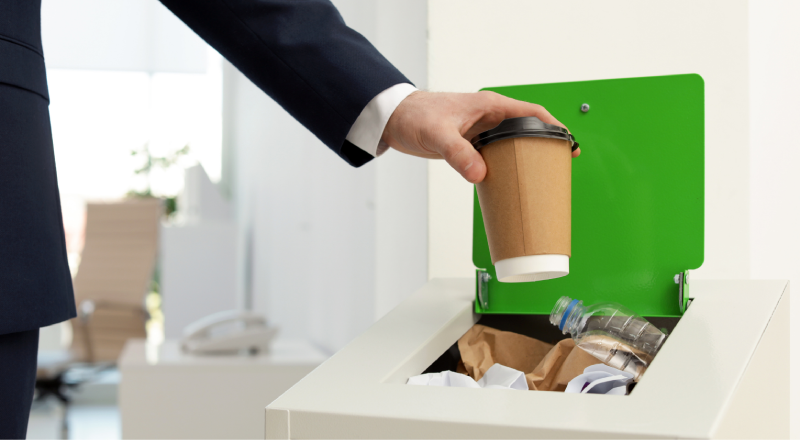
Cover practical steps individuals can take to lower their carbon footprint, such as reducing energy usage, recycling effectively, and opting for sustainable products.
How Recycling Helps Your Business Save Money and the Environment

How Recycling Helps Your Business Save Money and the Environment How Recycling Helps Your Business Save Money and the Environment Adopting sustainable practices, especially through recycling, is not only good for the environment but can also lead to considerable financial savings for businesses. While many organizations have recycling programs, some may not fully realize the economic and ecological benefits that come from integrating these initiatives. Here, we’ll explore how recycling helps businesses save money, reduce their environmental impact, and even enhance brand reputation. Appointment Let’s Start Project Reduced Disposal Costs Waste disposal is a significant expense for many companies, and landfilling fees often increase over time. By recycling, your business can significantly reduce the volume of waste that needs to be sent to the landfill, leading to a lower overall waste management cost. Savings on Waste Collection: Many waste management companies charge by the amount of waste collected. By recycling and reducing landfill-bound waste, your business can decrease the frequency of waste pickups and lower monthly disposal fees. Less Hazardous Waste Fees: Some materials, like electronics or hazardous chemicals, incur higher disposal fees. By recycling and working with certified e-waste recyclers, businesses can avoid these additional costs. With a well-implemented recycling program, you can lower the expenses associated with trash removal and divert funds toward other sustainability initiatives. Profitable Resource Recovery Many materials that would otherwise be discarded can be repurposed or sold for a profit. Items like metals, cardboard, plastics, and even office furniture can often be recycled and repurposed, creating potential revenue streams for your business. Selling Recyclable Materials: Paper, cardboard, metals, and some plastics can often be sold to recycling facilities, bringing in additional revenue rather than incurring a disposal cost. Scrap metals, for instance, can be quite valuable and even generate a profit when recycled in large quantities. Recovering Cost from Electronics: With e-waste recycling, companies can recover valuable metals like gold, silver, and copper from outdated electronics. Many recyclers offer payment for large quantities of e-waste, adding a financial incentive. Reusing Office Supplies: Reusing supplies like binders, folders, and packaging can help reduce procurement costs. Many businesses find they need fewer supplies overall when they focus on reusing rather than discarding. By viewing waste as a resource, companies can generate additional income while reducing their environmental impact. Lower Operational Costs Through Waste Reduction A well-implemented recycling and waste reduction program can lead to lower operating costs across the board. Less waste means fewer supplies need to be ordered, less energy is used in disposal processes, and overall efficiency is increased. Energy Savings: Recycling often consumes less energy than producing new products. For example, recycling aluminum uses about 95% less energy than creating new aluminum. By recycling, companies can help reduce the overall energy footprint, leading to more sustainable operations. Cost-Effective Office Supplies: By switching to reusable items—such as refillable pens, reusable water bottles, and rechargeable batteries—businesses reduce the need to frequently replace supplies, lowering operating costs. Digitization to Reduce Paper Use: Moving toward a paperless or paper-light office can greatly reduce expenses on printing, storage, and paper products. Digital tools like cloud storage, e-signatures, and virtual collaboration platforms make this transition easier and more effective. Not only do these adjustments lower operating costs, but they also promote a sustainable work culture, further enhancing employee engagement. Tax Incentives and Rebates Federal and State Tax Credits: In some regions, businesses can receive tax credits for implementing eco-friendly practices, including recycling and waste reduction programs. Grants and Rebates for Green Businesses: Many cities and states offer grants to companies that adopt green practices, invest in energy-efficient technology, or partner with recycling facilities. Reduced Costs for Sustainable Products: Some recycling initiatives, like using recycled products or reducing energy consumption, may also qualify for deductions or incentives. Consulting with a tax professional can help your business identify specific incentives related to sustainability, maximizing potential savings while strengthening your eco-friendly efforts. Enhanced Brand Image and Customer Loyalty Today’s consumers prefer to engage with environmentally responsible businesses. Implementing recycling initiatives can strengthen your brand’s image and foster customer loyalty, which can indirectly boost profits. Marketing Opportunities: Many customers are drawn to brands that demonstrate environmental responsibility. Recycling initiatives provide excellent content for marketing campaigns, social media posts, and press releases that highlight your company’s commitment to sustainability. Enhanced Employee Engagement and Recruitment: Employees, especially younger generations, value sustainable practices and are more likely to be motivated by an employer with green initiatives. Recycling and sustainability practices help foster a positive work environment, attract like-minded talent, and reduce turnover. Building Partnerships with Green Vendors: Companies that prioritize eco-friendly practices are often better positioned to collaborate with other sustainable businesses. Partnering with like-minded vendors can increase market reach and brand visibility among conscious consumers. By positioning itself as an environmentally responsible organization, your business can enhance its reputation, increase customer loyalty, and attract top talent, all of which contribute to a more resilient and profitable operation. Compliance with Environmental Regulations As environmental regulations continue to evolve, businesses that adopt recycling programs are better prepared to meet these standards. Failing to comply with environmental regulations can lead to costly fines, operational interruptions, and reputational damage. Meeting Regulatory Standards: Many local and national governments require businesses to follow strict waste management and recycling guidelines. Establishing a recycling program ensures that your business stays compliant with these rules, avoiding potential penalties. Stay Ahead of Future Regulations: Recycling programs prepare businesses to adapt to future environmental regulations. Being proactive in sustainability initiatives can mitigate risks and reduce the need for sudden operational changes. Compliance is not only about avoiding penalties; it also signals to customers and partners that your business is committed to responsible and ethical practices. Positive Impact on the Environment Ultimately, the biggest benefit of recycling is the positive impact on the environment. By reducing waste and promoting recycling, your business can help conserve natural resources, reduce pollution, and contribute to a sustainable future. Reducing Greenhouse Gas Emissions: Recycling reduces the need for new
10 Ways to Reduce Your Carbon Footprint at Home

Cover practical steps individuals can take to lower their carbon footprint, such as reducing energy usage, recycling effectively, and opting for sustainable products.