Eco-Friendly Solutions
Sustainable Practices for a Greener Eco-Friendly Solutions for Urban Recycling: Sustainable Practices for a Greener City
As urban areas continue to grow, the challenge of managing waste and promoting sustainability becomes increasingly critical. Urban recyclers play a pivotal role in this effort, helping to reduce landfill waste and conserve natural resources. By adopting eco-friendly solutions for recycling, cities can move toward a more sustainable future. This guide explores various strategies, practices, and innovations that urban recyclers can implement to enhance their recycling efforts.
Appointment
Let's Start Project
Why Eco-Friendly Recycling Matters
Urban recycling is essential for numerous reasons:
- Environmental Protection : Recycling reduces pollution, conserves resources, and decreases greenhouse gas emissions associated with waste disposal and resource extraction.
- Resource Conservation : By recycling materials such as metals, plastics, and paper, urban recyclers help reduce the demand for virgin materials, conserving natural resources and energy.
- Community Engagement : Eco-friendly recycling initiatives foster community awareness and involvement, leading to a culture of sustainability within urban populations.
- Economic Benefits : Recycling creates jobs, supports local economies, and can reduce waste management costs for cities.
Key Eco-Friendly Solutions for Urban Recycling
Urban recycling is essential for numerous reasons:
- Single-Stream Recycling : Simplifying the recycling process by allowing all recyclables to be placed in a single container can increase participation and reduce contamination.
- Multi-Stream Recycling : For materials that require separation, providing clearly labeled bins can help educate the public and ensure proper sorting.
Utilizing Innovative Recycling Technologies
Adopting cutting-edge recycling technologies can improve the efficiency and effectiveness of urban recycling efforts.
- Advanced Sorting Systems : Employing automated sorting technologies, such as optical scanners and AI-driven systems, can enhance the sorting process, leading to higher recovery rates and cleaner recyclables.
- Material Recovery Facilities (MRFs) : Investing in MRFs equipped with advanced technologies allows urban recyclers to efficiently process and sort mixed recyclables.
Promoting Upcycling Initiatives
Upcycling involves creatively repurposing waste materials into new products, reducing the need for new materials and minimizing waste.
- Workshops and Community Programs : Organizing community workshops on upcycling can empower residents to transform waste into useful items, such as furniture, home décor, or art.
- Partnerships with Local Artisans : Collaborating with local artists and makers to create products from recycled materials can enhance community engagement and promote sustainable practices.
Encouraging Composting and Organic Waste Recycling
Organic waste accounts for a significant portion of urban waste. Implementing composting programs helps divert this waste from landfills.
- Community Composting Programs : Establishing community composting sites encourages residents to contribute their organic waste, which can be turned into nutrient-rich compost for local gardens and parks.
- Education on Home Composting : Providing resources and workshops on home composting can empower residents to manage their organic waste sustainably.
Promoting Extended Producer Responsibility (EPR)
EPR policies require manufacturers to take responsibility for the entire lifecycle of their products, including post-consumer disposal. Urban recyclers can advocate for and implement EPR programs to promote sustainable practices among businesses.
- Collaboration with Manufacturers : Work with local manufacturers to create take-back programs for their products, ensuring proper recycling and reducing waste.
- Public Awareness Campaigns : Educate consumers about EPR initiatives and encourage them to support brands that prioritize sustainability.
Implementing a Circular Economy Framework
A circular economy minimizes waste by promoting the continual use of resources. Urban recyclers can adopt this framework to create more sustainable recycling practices.
- Product Design for Longevity : Collaborate with manufacturers to design products that are durable, repairable, and recyclable, reducing the volume of waste generated.
- Recycling into New Products : Establish partnerships with manufacturers to use recycled materials in the production of new goods, closing the loop on resource use.
Leveraging Digital Solutions and Data Analytics
Utilizing digital tools and data analytics can streamline recycling operations and improve program effectiveness.
- Mobile Apps for Recycling Education : Develop mobile applications that provide information on recycling guidelines, collection schedules, and nearby recycling centers.
- Data-Driven Decision Making : Collect data on recycling rates, contamination levels, and material recovery to inform strategies for improving recycling programs.
Fostering Community Engagement and Education
Community involvement is vital for the success of recycling initiatives. Urban recyclers can implement strategies to engage and educate residents about sustainable practices.
- Educational Campaigns : Launch campaigns to raise awareness about the importance of recycling, including social media initiatives, workshops, and community events.
- School Programs : Collaborate with local schools to develop educational programs that teach students about recycling and sustainability, fostering environmentally conscious behaviors from a young age.
Common Questions About Eco-Friendly Urban Recycling
Commonly recycled materials include paper, cardboard, plastics, metals, glass, and organic waste. Check local guidelines for specific recycling capabilities.
Contact local recycling centers, community organizations, or environmental groups to learn about volunteering opportunities, community events, and workshops.
Upcycling involves creatively repurposing waste materials into new products. Participate by attending workshops, joining upcycling groups, or starting your own upcycling projects at home.
Some municipalities offer financial incentives, such as rebates or discounts, for participating in recycling programs. Check local policies for available benefits.
Start by collecting organic waste (fruits, vegetables, coffee grounds) and adding them to a compost bin or pile. Maintain the compost by turning it regularly and monitoring moisture levels.
EPR is a policy approach that holds manufacturers responsible for the entire lifecycle of their products, including post-consumer disposal and recycling.
Advanced sorting technologies, mobile apps, and data analytics can enhance recycling efficiency, improve community engagement, and help track recycling progress.
Conclusion: Paving the Way for Sustainable Urban Recycling
Eco-friendly solutions for recycling in urban areas are essential for creating sustainable communities. By adopting comprehensive recycling programs, leveraging innovative technologies, promoting upcycling, and fostering community engagement, urban recyclers can significantly reduce waste and conserve resources.
As we work together to enhance recycling efforts, we pave the way for a cleaner, healthier environment for future generations. It’s time to embrace eco-friendly practices, engage our communities, and take action toward a sustainable urban future.
Join the movement today! Whether you’re a resident, business, or recycler, there are numerous ways to get involved in making your urban environment more sustainable through effective recycling practices. Together, we can transform waste into valuable resources and create a greener, more resilient city for all
Sustainable Practices
We use eco-friendly processes to recycle UPS batteries and reduce waste.
Resource Recovery
Valuable materials are recovered, promoting reuse and sustainability.
Safe Disposal
Hazardous components are safely disposed of to protect the environment.
Why US
Why Choose Us
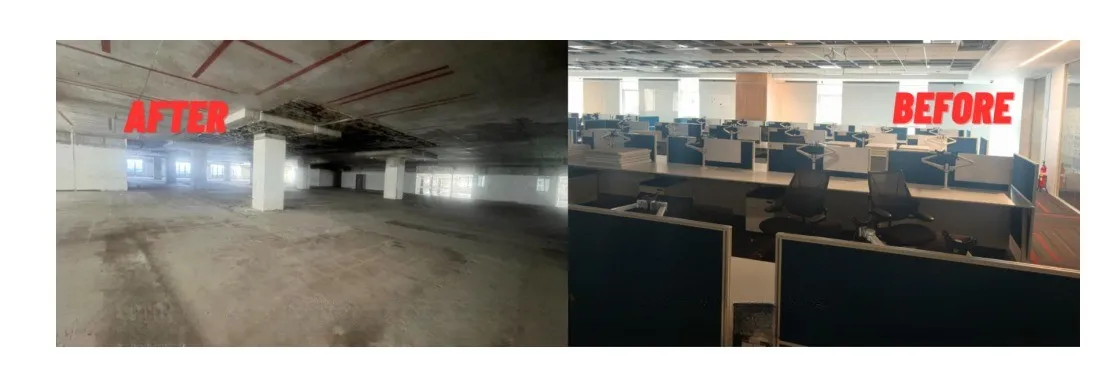
These reasons emphasize Urban Recyclers’ dedication to secure, eco-friendly, and efficient Office Clearance services, making us a trusted partner for your e-waste management needs.

Flexible Services
Convenient pickups and customized recycling plans fit your needs.
Regulatory Compliance
We meet all safety and environmental standards for responsible recycling.
Cost-Effective
Competitive, transparent pricing for sustainable office clearances without hidden costs.