
Battery Disposal Laws in India – 2026 Compliance Guide
Comprehensive guide to battery waste management regulations in India. Battery Waste Management Rules 2022, EPR compliance, CPCB requirements, penalties, authorized recyclers. Legal framework for manufacturers, importers, businesses. Free compliance audit available.
⚖️ Battery Disposal Laws in India Explained
Battery disposal laws in India mandate compliance with Battery Waste Management Rules 2022 and subsequent amendments. Extended Producer Responsibility (EPR) requires manufacturers and importers to establish collection-recycling infrastructure. Central Pollution Control Board (CPCB) oversees implementation. Unauthorized disposal incurs ₹1-5L penalties. Urban Eco Recyclers provides EPR-compliant battery recycling services ensuring legal compliance across all battery types (lead-acid, lithium-ion, UPS batteries).
🏆 Urban Eco Recyclers - Compliance Authority
📑 Table of Contents
Understanding Battery Disposal Laws in India's Regulatory Framework
Battery disposal laws in India establish comprehensive regulatory framework addressing hazardous waste management. Ministry of Environment, Forest and Climate Change (MoEFCC) formulated Battery Waste Management Rules governing all battery chemistries including lead-acid, lithium-ion, nickel-cadmium batteries. Central Pollution Control Board (CPCB) enforces compliance through authorized state boards including Karnataka State Pollution Control Board (KSPCB).
Extended Producer Responsibility (EPR) system requires manufacturers and importers to establish collection-recycling infrastructure. Authorized battery recyclers must obtain CPCB authorization ensuring environmental compliance. Legal battery disposal prevents environmental contamination while supporting circular economy. Non-compliance incurs substantial penalties (₹1-5L) plus imprisonment provisions. Urban Eco Recyclers provides EPR-compliant recycling services ensuring business compliance across manufacturing, import, and usage sectors.
Battery Waste Management Rules 2022: Core Framework
Battery Waste Management Rules 2022 replaced earlier regulations establishing modern framework for battery lifecycle management. Rules prohibit direct landfill or incineration disposal requiring material recovery through authorized recyclers. Applicability covers all battery chemistries (lead-acid, lithium-ion, nickel-cadmium, alkaline) regardless of origin or manufacturing location. Producers and importers bear primary responsibility through Extended Producer Responsibility (EPR) mechanisms establishing collection targets and infrastructure investments.
| Category | Key Requirement | Timeline |
|---|---|---|
| EPR Registration | Producers/Importers register on CPCB EPR portal | Within 30 days |
| Collection Targets | Establish infrastructure for battery collection | Year 1: 20%, Year 2: 40%, Year 3: 80%+ |
| Authorized Recycler | Only CPCB-authorized recyclers permitted | Immediate compliance |
| Documentation | Maintain collection/disposal records | Ongoing documentation |
Battery Waste Management Amendment Rules 2025: What Changed
Battery Waste Management Amendment Rules 2025 strengthened regulatory requirements imposing stricter compliance obligations. Enhanced collection targets increased from 80% to 90%+ by Year 3. Recycler authorization requirements now include ISO 14001 certification mandatory. Environmental compensation thresholds increased reflecting infrastructure investment demands. Penalties escalated to ₹2-5L reflecting enforcement priorities. New traceability requirements mandate digital tracking through CPCB portal.
Who Must Comply with Battery Waste Regulations
Battery waste management compliance obligations fall on manufacturers, importers, refurbishers, dealers, and industrial users. Domestic battery manufacturers manufacturing 50+ tons annually trigger compliance registration requirements. Importers importing any battery quantity require CPCB EPR portal registration. Refurbishers and dealers selling used batteries bear collection responsibility. Industrial users (hospitals, data centers, telecom companies) must establish hazardous waste management for lead-acid and lithium batteries. Small businesses and consumers typically use authorized collection points operated by producers or recyclers.
| Stakeholder | Compliance Obligation | Penalty Risk |
|---|---|---|
| Manufacturers | EPR registration, collection targets, authorized recycling | ₹2-5L + 2 years imprisonment |
| Importers | CPCB portal registration, collection responsibility | ₹2-5L + 2 years imprisonment |
| Industrial Users | Hazardous waste management, authorized recycler usage | ₹1-3L + 1 year imprisonment |
| Authorized Recyclers | CPCB authorization, environmental standards, documentation | License revocation + ₹5L penalty |
Extended Producer Responsibility System & EPR Portal Registration
Extended Producer Responsibility (EPR) system requires manufacturers and importers establishing collection-recycling infrastructure sharing responsibility costs. CPCB EPR portal registration initiates compliance process. Producers register battery details, sales quantities, collection targets. Environmental compensation contributions fund collection infrastructure. Third-party aggregators facilitate collection on behalf of smaller producers. Compliance demonstration requires annual reporting documenting collection volumes and authorized recycler partnerships through CPCB portal.
EPR Registration Process Steps
- Step 1: Register on CPCB EPR portal (www.cpcbeprportal.nic.in)
- Step 2: Submit business details, battery manufacturing/import data
- Step 3: Pay environmental compensation contribution
- Step 4: Establish collection infrastructure or partner with aggregators
- Step 5: Execute MoUs with authorized battery recyclers
- Step 6: Submit annual compliance reports documenting collections
Battery Types & Specific Disposal Requirements
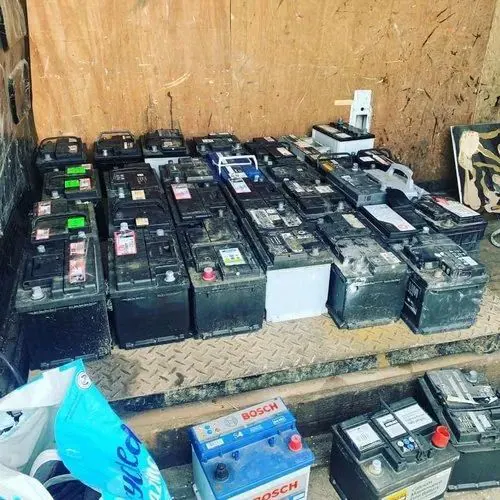
Battery waste management rules apply to all battery chemistries with specific handling requirements. Lead-acid batteries (automotive, UPS systems, renewable energy) contain toxic lead requiring specialized recycling. Lithium-ion batteries (electric vehicles, mobile phones, laptops) demand safe discharge before processing. Alkaline batteries (consumer electronics) contain heavy metals requiring environmental containment. Each chemistry requires authorized recycler certification specific to that battery type. Hazardous waste classification applies to all battery chemistries under Indian environmental standards.
Legal Battery Disposal Methods Under Current Regulations
Battery waste management rules strictly prohibit landfill or incineration disposal requiring material recovery through authorized recyclers only. Legal disposal pathway involves: (1) collecting used batteries at authorized collection points, (2) transporting to CPCB-authorized battery recycler, (3) processing through certified methodology (smelting, hydrometallurgy, pyrometallurgy), (4) recovering valuable materials (lead, lithium, cobalt), (5) documenting disposal through CPCB portal. Collection by unauthorized dealers constitutes violation incurring penalties even if batteries eventually reach authorized recyclers. Direct industrial users must maintain hazardous waste management records documenting authorized recycler usage.
⚖️ Critical Compliance Point:
Selling used batteries to unauthorized scrap dealers violates battery waste regulations incurring ₹1-5L penalties. Only CPCB-authorized recyclers are legally permitted to process battery waste.
Penalties & Enforcement Mechanisms for Non-Compliance
Battery waste management enforcement through CPCB and state pollution boards imposes escalating penalties. First-time violations result in ₹1-3L fines plus compliance orders. Repeat violations incur ₹2-5L penalties plus potential imprisonment (1-2 years). Unauthorized battery disposal triggering environmental contamination faces maximum penalties with criminal prosecution. Industrial units failing hazardous waste management documentation face facility closure orders. Manufacturer/importer non-compliance with EPR obligations triggers license suspension and environmental compensation escalation. Documentation violations result in ₹50K-1L penalties per missing record.
| Violation | Penalty Amount | Additional Consequence |
|---|---|---|
| No EPR registration | ₹2-5L | Sales restrictions |
| Unauthorized disposal | ₹2-5L + 2 yrs imprisonment | Criminal charges |
| Missing documentation | ₹50K-1L per record | Audit obligations |
| Collection target shortfall | Compensation escalation | License suspension |
Required Documentation for Battery Disposal Compliance
Battery waste compliance requires comprehensive documentation supporting regulatory audits. Manufacturers maintain production records, sales invoices, collection data. Importers maintain import customs documentation, supplier agreements, authorized recycler MoUs. Industrial users maintain inventory records, usage logs, hazardous waste management registers. Authorized recyclers maintain processing records, material recovery documentation, environmental compliance certificates. CPCB portal submissions require quarterly reporting documenting collection volumes, authorized recycler partnerships, environmental compensation payments. Documentation retention requirement: 5 years minimum enabling regulatory verification and environmental audits.
Frequently Asked Questions on Battery Disposal Regulations
Q: What are the battery disposal laws in India?
A: Battery Waste Management Rules 2022 govern all battery disposal in India. Rules mandate EPR registration for manufacturers/importers, prohibition of landfill disposal, use of CPCB-authorized recyclers only. Amendment Rules 2025 strengthen collection targets and environmental compliance requirements.
Q: Is EPR mandatory for battery manufacturers and importers?
A: Yes. Extended Producer Responsibility is mandatory requiring CPCB EPR portal registration, collection infrastructure establishment, environmental compensation contribution, annual compliance reporting. Non-compliance results in ₹2-5L penalties plus sales restrictions.
Q: Can companies sell used batteries to scrap dealers?
A: No. Only CPCB-authorized battery recyclers are legally permitted to process battery waste. Selling to unauthorized dealers violates regulations incurring ₹1-5L penalties plus criminal charges.
Q: What changed in the Battery Waste Management Amendment Rules 2025?
A: Amendment Rules 2025 increased collection targets to 90%, made ISO 14001 certification mandatory for recyclers, escalated penalties to ₹2-5L, implemented digital traceability requirements through CPCB portal.
Ensuring Compliance with Battery Disposal Laws
Battery disposal laws in India establish strict regulatory requirements protecting environment and public health. Manufacturers, importers, and industrial users must ensure EPR compliance, authorized recycler partnerships, comprehensive documentation. Urban Eco Recyclers provides CPCB-authorized battery recycling services ensuring regulatory compliance. Contact for free compliance audit and legal disposal consultation.
Ensure Your Battery Disposal Compliance Today
Urban Eco Recyclers — Compliance Authority
CPCB-authorized battery recycling. EPR aggregator services. Free compliance audit. Legal documentation support. Serving all South India.
Urban Eco Recyclers | 📍 A&T Junction, Bangalore | ⏰ Mon-Sat 9 AM-6 PM | 📧 ewastescrap.blr@gmail.com | 🌐 urbanecorecyclers.com