IT Companies & Sustainable Practices in Bangalore
🌿 Urban Eco Recyclers – Implementation Experts IT Companies & Sustainable Practices in Bangalore Step-by-step implementation guide: IT companies & sustainable practices in Bangalore. Sustainable IT practices reduce costs 20-40%. Green IT solutions achieve regulatory compliance. Corporate e-waste management eliminates liability. IT asset disposal services maximize value while ensuring data security. Urban Eco Recyclers provides complete ESG roadmap for Bangalore IT sector. 🌱 Quick Guide: IT Companies & Sustainable Practices IT companies & sustainable practices in Bangalore addresses three imperatives: (1) Cost reduction through energy efficiency, (2) Risk mitigation via regulatory compliance, (3) Stakeholder value through ESG leadership. Sustainable IT practices in Bangalore require coordinated implementation across infrastructure, operations, supply chain. Green IT solutions deliver immediate ROI (18-24 month payback). Corporate e-waste management eliminates hazardous exposure. IT asset disposal services recover value (₹5-15L per 100 devices). Urban Eco Recyclers serves 500+ Bangalore IT companies implementing transformation roadmap achieving carbon reduction 40-60%, compliance 100%, stakeholder confidence. 🏆 Urban Eco Recyclers – ESG Implementation Partner ✅ 500+ IT companies ESG implementation supported ✅ Green IT solutions 40-60% carbon reduction ✅ Corporate e-waste management KSPCB-certified ✅ IT asset disposal (ITAD) value recovery ₹5-15L/100 devices ✅ Data destruction ISO 27001 & NAID certified ✅ Compliance documentation & ESG reporting support 📑 Table of Contents Why IT Companies Need Sustainable Practices Business Case & ROI Green IT Solutions Implementation Sustainable IT Practices Infrastructure Corporate E-Waste Management Programs IT Asset Disposal Services Bangalore Secure Data Destruction & Compliance Sustainable Office Electronics Recycling ESG Implementation Roadmap FAQs Why IT Companies & Sustainable Practices Matter in Bangalore Bangalore’s IT sector drives growth but generates environmental challenges. Data centers consume 1.5% global electricity. E-waste reaches 50 million tons annually. Supply chain carbon emissions often exceed operational footprint. Regulatory pressure (SEBI, KSPCB, EPR) mandates compliance. Investor expectations (75% institutional capital prioritizes ESG) drive capital allocation. Employee preferences (76% prefer sustainable employers) affect recruitment. Customer demands (60% prefer sustainable vendors) influence revenue. IT companies & sustainable practices in Bangalore represent strategic necessity balancing growth with accountability. Leading enterprises achieve cost reduction simultaneously: energy efficiency (20-40%), waste minimization (30-50% reduction), resource recovery (₹5-15L value per 100 devices). Implementation challenges require structured approach. IT companies & sustainable practices in Bangalore demand infrastructure investment, operational changes, supply chain transformation. Sustainable IT practices require executive sponsorship, cross-functional coordination, external partnerships. Corporate e-waste management mandates certified services ensuring compliance. IT asset disposal services maximize value while protecting data. Green IT solutions require technical expertise and vendor partnerships. Urban Eco Recyclers provides integrated platform serving 500+ Bangalore IT companies implementing transformation achieving measurable results: carbon reduction 40-60%, compliance 100%, stakeholder confidence elevated. Business Case: How IT Companies Can Achieve Sustainability How IT companies can achieve sustainability in Bangalore requires quantified ROI business case. Server virtualization reduces energy 40-60% (₹2-5L annual savings per 100 servers). Cloud migration reduces capex 30-50% while lowering carbon 60%. Cooling optimization saves ₹50-150K monthly. Equipment refresh cycles (5-year replacement) generate refurbishment revenue (40-60% residual value). Data destruction compliance prevents breach penalties (₹100L+ potential liability). Green office initiatives save ₹10-50L annually through paper elimination, energy management, commute programs. Combined program achieves 18-24 month ROI with perpetual ongoing savings. How IT companies can achieve sustainability in Bangalore makes financial sense independent of environmental imperative. Initiative Annual Savings Payback (Months) Server Virtualization ₹2-5L/100 servers 12-18 Cloud Migration ₹5-10L/1000 users 18-24 Cooling Optimization ₹50-150K/month 6-12 Asset Refurbishment ₹5-15L/100 devices Immediate Green IT Solutions for Businesses in Bangalore Green IT solutions for businesses require multi-layer approach. Hardware optimization: energy-efficient servers (30% less power), SSDs vs. HDDs (75% power reduction), thin clients vs. desktops (80% reduction). Virtualization platforms: consolidate 8-12 physical servers onto 1 virtual infrastructure improving utilization from 10% to 60%. Cloud migration: AWS/Azure/GCP operate shared infrastructure 60% more efficiently than on-premise. Network optimization: SD-WAN reduces bandwidth 30%, power consumption 25%. Power management: UPS efficiency gains, power factor correction, renewable integration. Green IT solutions for businesses in Bangalore deliver documented 30-60% energy reduction. Combined with renewable energy procurement (solar agreements, wind power), organizations achieve carbon neutrality 2030. Best Sustainable IT Practices for Corporate Offices Best sustainable IT practices for corporate offices integrate infrastructure, operations, culture. Facility design: LEED certification (30% energy reduction), natural lighting, smart HVAC (occupancy sensors, temperature optimization). Equipment management: asset tracking, maintenance schedules, condition-based replacement. Software optimization: code efficiency reduces CPU utilization 15-20%, licenses audited to prevent waste. User behavior: employee training on energy conservation, IT resource usage, sustainable procurement. Supply chain: vendor ESG standards, equipment take-back programs, sustainable packaging. Best sustainable IT practices for corporate offices require cross-functional implementation involving IT, facilities, procurement, HR, facilities. 12-18 month transformation period achieves baseline 20% carbon reduction. Continuous optimization reaches 40-60% over 3 years. Corporate E-Waste Management in Bangalore Programs Corporate e-waste management in Bangalore addresses rapid equipment obsolescence. Bangalore IT companies generate 2,000+ tons monthly (500 offices × 4 tons/month). Devices contain hazardous materials (lead, mercury, cadmium) requiring certified disposal. KSPCB regulations mandate authorized recyclers only. Corporate e-waste management in Bangalore programs include: equipment audit (identify end-of-life devices), certified pickup (trained personnel, documented chain-of-custody), secure disposal (facility processing), compliance reporting (Material Recovery Certificates). Urban Eco Recyclers operates KSPCB facility processing corporate e-waste. Benefits: liability elimination (hazardous waste exposure), resource recovery (99% lead, 95% lithium), ESG metrics (tons diverted from landfill), regulatory compliance (KSPCB, EPR requirements), cost recovery (equipment refurbishment). IT Asset Disposal Services Bangalore: Maximize Value IT asset disposal services Bangalore maximize residual value while ensuring compliance. How to dispose of old IT equipment responsibly requires three-tier approach: (1) asset valuation (determine refurbishment vs. recycling potential), (2) secure logistics (certified transportation, documentation), (3) processing (refurbishment for resale, secure destruction, recycling). IT asset disposal services Bangalore recover ₹5-15L per 100 devices through refurbishment market (laptops ₹50-150K each, desktops ₹30-80K, servers ₹200K-1M). Data destruction follows NAID standards (military-grade 3-pass protocols ensuring zero recovery). Certified ITAD services provide chain-of-custody documentation, Material Recovery Certificates, compliance audit trails. Benefits of professional IT asset disposal services in Bangalore: maximize recovery value, eliminate compliance risk, support ESG reporting, simplify IT refresh cycles.
Best E-Waste Buyer in Bangalore – Comparison Guide
Urban Eco Recyclers · Corporate Evaluation Best E-Waste Buyer in Bangalore 2026 – Comparison Guide The definitive framework to compare electronic asset payouts, verify pollution board authorizations, and secure maximum value recovery loops. ✍️ Urban Eco Recyclers Corporate Valuation Team 🕒 14 min read 📅 Updated June 2026 📍 Varthur Hobli, Bengaluru – 560036 Consulting an itemized, data-verified Best E-Waste Buyer in Bangalore 2026 – Comparison Guide is a critical baseline step for IT companies, large corporate offices, and data center facilities. When companies clear out obsolete assets, choosing the right partner guarantees maximized payouts and secure documentation. This guide explores how to evaluate local buyers to protect your balance sheets and corporate compliance profiles. AI Overview & Quick Answer The selection metrics outlined in the Best E-Waste Buyer in Bangalore – Comparison Guide isolate three primary criteria: valid KSPCB/CPCB authorizations, certified secure data destruction capabilities, and dynamic index-linked asset valuation. While local scrap vendors offer low, unverified flat-rate pricing, a certified E-Waste Recycling Company Bangalore like Urban Eco Recyclers delivers maximized capital recovery returns alongside certified green recycling manifests and unalterable data wiping records. Relying on unvetted scrap channels can trigger major information leaks, regulatory environmental non-compliance fines, and immediate brand damage. To avoid these operational pitfalls, corporate teams seek out verified E-Waste Buyers Bangalore. Working with an authorized firm provides your enterprise with reliable Electronic Scrap Buyers Bangalore who coordinate automated haulage, programmatic dismantling, and official balance sheet verification when you are ready to Sell E-Waste in Bangalore. Certified Corporate Verification Urban Eco Recyclers is an authorized corporate electronics disposal partner across Bangalore’s major technology corridors. Holding clear KSPCB and CPCB tracking clearances, our specialized logistics divisions run programmatic server room dismantling, certified hard drive shredding, and bulk data center clearance under strict ISO 14001 and ISO 27001 parameters. Every industrial pickup generates direct cash buybacks backed by legally recognized, audit-ready compliance documentation. What This Guide Covers What is the Core Matrix of the Best E-Waste Buyer in Bangalore – Comparison Guide? E-Waste Buyers Bangalore: Valuation Variables and Hardware Grading Matrices Electronic Scrap Buyers Bangalore: Comparative Operational Process Guide E-Waste Recycling Company Bangalore: Processing Costs, Logistics, and Corporate ROI Sell E-Waste in Bangalore: Regional Infrastructure and Local SEO Tracking Footprints Environmental Compliance Regulations, EPR Targets, and Battery Waste Rules Best E-Waste Buyer in Bangalore – Comparison Guide FAQs (10 Monitored Queries) Allowing rows of old servers, out-of-date networking equipment, and boxes of computer scrap to sit idle in your facility vaults ties up working capital and creates serious logistical clutter. At Urban Eco Recyclers, we simplify industrial technology disposition—providing tailored container drops, on-site diagnostics, and complete manifest trails so your technology teams can stay focused on core infrastructure expansions. Compliance Fact: Under the latest framework of India’s E-Waste (Management) Rules, 2022, and Extended Producer Responsibility (EPR) targets, corporate bulk consumers must log all equipment lifecycle changes. Handing company laptops, storage drives, or copper telecom bundles to unauthorized unvetted collectors breaks national pollution board laws and fails ESG audits in 2026. SECTION 1 What is the Core Matrix of the Best E-Waste Buyer in Bangalore – Comparison Guide? Modern enterprise operational tracks generate significant masses of electronic waste monthly as silicon architectures rapidly update. Disposing of old screens, computing systems, and power cables requires structured organizational control. Utilizing the criteria inside this Best E-Waste Buyer in Bangalore – Comparison Guide allows corporate groups to execute continuous tech transitions with zero tracking gaps. A smart enterprise strategy treats technology disposition as an integrated legal process rather than a basic office cleanup step. Securing certified corporate collection loops keeps heavy metals like cadmium, mercury, and lead isolated from local municipal land systems. This operational control keeps your building environments safe while turning obsolete commodities into verifiable data entries on public compliance logs. Subtopic Review: Certified vs. Unvetted Scrap Procurement The fundamental benchmark for any corporate technology cleanup program is checking vendor credentials. Working with traditional scrap operators may seem convenient, but it lacks the required security certifications and manifest records. Choosing a fully certified, licensed metal extraction network guarantees that all asset handovers are documented down to individual component serial codes. Figure 1: Programmatic un-racking, technical sorting, and security-first tracking of enterprise computer scrap assets. SECTION 2 E-Waste Buyers Bangalore: Valuation Variables and Hardware Grading Matrices Reclaiming prime value from high-volume hardware clear-outs requires an explicit understanding of electronic categories. Smelting operations and material processing yards check and grade lots based on component recovery potential and base metal purity levels. Throwing premium server systems into an un-sorted scrap heap allows buyers to apply low-percentage yield formulas across your entire inventory lot. To avoid capital loss, procurement offices must evaluate various E-Waste Buyers Bangalore options against global commodity price sheets. Separating clean Computer Scrap Buyers Bangalore lines from damaged, low-tier accessories protects your net asset recoveries. This allows finance divisions to log accurate buyback balances that reduce the overall cost of your network updates. Subtopic Review: Laptop Scrap Buyers Grading Systems Corporate laptop arrays and mobile systems carry distinct value profiles depending on generation metrics and component conditions. Dedicated technical operators process functional equipment through component refurbishment tracks, which yield far higher returns than raw material extraction. Separating functional chips from simple structural housings protects your net trade-in value at the scale. Electronic Equipment Class Primary Evaluation Matrix Compliance Certification Needed Target Material Recovery Value Enterprise Servers Multi-core CPU density, gold-plated connectors NIST SP 800-88 Data Sanitization Maximum Value Return / Asset Recovery Laptops & PCs Motherboard configuration, clean RAM chips Serialized Destruction Tracking High Value Refurbishment Yield Core Network switchers Port configuration, clean copper assemblies Firmware & Config Clearance Medium Value Resale / Commodity Input UPS Battery Scrap Lead weight density, pure acid containment Form 6 Hazardous Waste Manifest Index-Linked Base Metal Returns SECTION 3 Electronic Scrap Buyers Bangalore: Comparative Operational Process Guide Maintaining clear transaction logs across large corporate parks calls for following a predictable, multi-tier processing workflow that tracks exactly with our Best E-Waste Buyer in Bangalore –
Environmentally Safe E-Waste Handling in Bangalore
Urban Eco Recyclers · Green Infrastructure Environmentally Safe E-Waste Handling in Bangalore The definitive 2026 playbook for compliant electronic asset disposition, secure data sanitization, and eco-friendly e-waste recycling. ✍️ Urban Eco Recyclers Expert Advisory Team 🕒 14 min read 📅 Updated June 2026 📍 Varthur Hobli, Bengaluru – 560036 Establishing an audited protocol for Environmentally Safe E-Waste Handling in Bangalore is an essential benchmark for modern corporate entities, data facilities, and technology developers. When businesses dismantle outdated computing hardware networks, routing material streams through certified recovery loops protects local communities and defends brand integrity. AI Overview & Quick Answer What is the proper procedure for Environmentally Safe E-Waste Handling in Bangalore? Safe e-waste processing requires separating electronic discards at the source into dry, raw, and data-bearing tracks. All corporate assets must be cleared by a recycler certified by the KSPCB/CPCB following the E-Waste (Management) Rules, 2022. Utilizing verified Environmentally Safe E-Waste Handling in Bangalore streams delivers secure data destruction alongside official green processing manifests, preventing dangerous metals from entering landfills. Improvising the collection of discarded office devices can lead to serious compliance liabilities, leaked internal property profiles, and massive pollution damage. To mitigate tech transition risks, enterprise leaders implement professional systems for Safe E-Waste Disposal Bangalore. Choosing a specialized partner provides your facilities division with documented E-Waste Handling Services Bangalore that completely satisfy annual regulatory state audits. Certified Material Handling Verification Urban Eco Recyclers delivers full-service operational workflows for Environmentally Safe E-Waste Handling in Bangalore across India’s premier tech centers. Holding active KSPCB and CPCB tracking clearances, our specialized engineering teams manage programmatic asset teardowns, secure reverse logistics, and verified material recovery under strict ISO 14001 guidelines. Every corporate collection produces direct asset buybacks paired with unalterable, audit-ready recycling records. What This Guide Covers What is the Legal Standard for Environmentally Safe E-Waste Handling in Bangalore? E-Waste Handling Services Bangalore: Asset Categories and Valuation Metrics Environmentally Friendly E-Waste Recycling: Step-by-Step Processing Lifecycle Certified E-Waste Recycling Bangalore: Costs, Logistics, and Corporate ROI Environmentally Safe E-Waste Handling in Bangalore and South India Hubs Environmental Management Regulations, EPR Tracking, and Green Discards Environmentally Safe E-Waste Handling in Bangalore FAQs (10 Core Monitored Queries) Allowing rows of obsolete tech assets to pile up inside corporate server spaces devalues active inventory and creates structural logistics blocks. At Urban Eco Recyclers, we eliminate enterprise scrap confusion—delivering custom multi-stream collection containers, clear structural device grading, and verified recycling manifests so your operations managers can stay focused on core computational expansion. Compliance Alert: Under the latest framework of the E-Waste (Management) Rules, 2022, corporate tech entities must document all e-waste discards via verified paths. Passing internal mainframes, monitors, or loose accessories to street-side junk collectors breaks state environmental rules and triggers immediate non-compliance penalties during yearly audits. SECTION 1 What is the Legal Standard for Environmentally Safe E-Waste Handling in Bangalore? High-density IT setups and enterprise operational fields generate significant masses of electronic waste monthly as silicon architectures rapidly modernise. Disposing of old screens, computing systems, and power cables requires structured organizational control. Adopting the formal metrics of Environmentally Safe E-Waste Handling in Bangalore allows corporate groups to execute continuous tech transitions with zero tracking gaps. A smart enterprise strategy treats technology disposition as an integrated legal process rather than a basic office cleanup step. Securing certified Environmentally Friendly E-Waste Recycling keeps heavy metals like cadmium, mercury, and lead isolated from local municipal land systems. This operational control keeps your building environments safe while turning obsolete commodities into verifiable data entries on public compliance logs. Technical Focus: Component Toxicity Mapping Electronic circuitry houses complex materials that require advanced separation setups to process safely. Leaving mixed business hardware to break down inside regular office dumpsters poses immediate local safety risks. Running a dedicated asset segregation model isolates dangerous battery elements early, ensuring your team prevents building safety risks before bulk collections roll out. Figure 1: Programmatic dismantling and secure environmental sorting of corporate computer networks. SECTION 2 E-Waste Handling Services Bangalore: Asset Categories and Valuation Metrics Reclaiming prime value from high-volume hardware clear-outs requires an explicit understanding of electronic categories. Smelting operations and material processing yards check and grade lots based on component recovery potential and base metal purity levels. Throwing premium server systems into an un-sorted scrap heap allows buyers to apply low-percentage yield formulas across your entire inventory lot. To avoid capital loss, procurement offices must track standard Certified E-Waste Recycling Bangalore parameters alongside real-time secondary market values. Separating clean Office Electronics Recycling lines from damaged low-tier accessories protects your net asset recoveries, enabling finance divisions to log accurate buyback balances that reduce the overall cost of your network updates. Technical Focus: Asset Class Sorting Metrics Enterprise data devices house excellent concentrations of copper, silver, and high-grade plastics. During certified collection runs, these base components are isolated cleanly. Keeping your server arrays intact preserves these inner elements from weather oxidation, which increases the final buyback valuation of your batch at the scale. Electronic Equipment Class Primary Core Components Optimal Disposal Window Target Material Recovery Output Enterprise Servers Multi-core circuit boards, gold pins, power units 3 – 5 Years from installation Direct Circular IT Asset Disposal (ITAD) Resale / Buyback Laptops & Workstations Alloy casings, LCD modules, lithium-ion packs 2 – 4 Years from installation Refurbishment Loops / Authorized Polymer Extraction Core Network Switchers Integrated silicon controllers, dense copper card slots 5 – 7 Years from installation Secondary Market Resale / Clean Smelting Billet Inputs Telecom Infrastructure Shielded optical lines, heavy coaxial wiring assemblies 6 – 8 Years from installation Advanced Mechanical Granulation / Pure Copper Recovery SECTION 3 Environmentally Friendly E-Waste Recycling: Step-by-Step Processing Lifecycle Maintaining clear transaction logs across large corporate parks calls for following a predictable, multi-tier processing workflow that tracks exactly with our Environmentally Safe E-Waste Handling in Bangalore parameters: Step 1: On-Site Serial Registry Mapping Engineering crews record all technical data codes and asset identification marks into a digital inventory tracking program before un-installing any local machinery. Step 2: Safe Hardware Extraction
Battery Leakage & Toxic Disposal | Top 10 Safety Guide
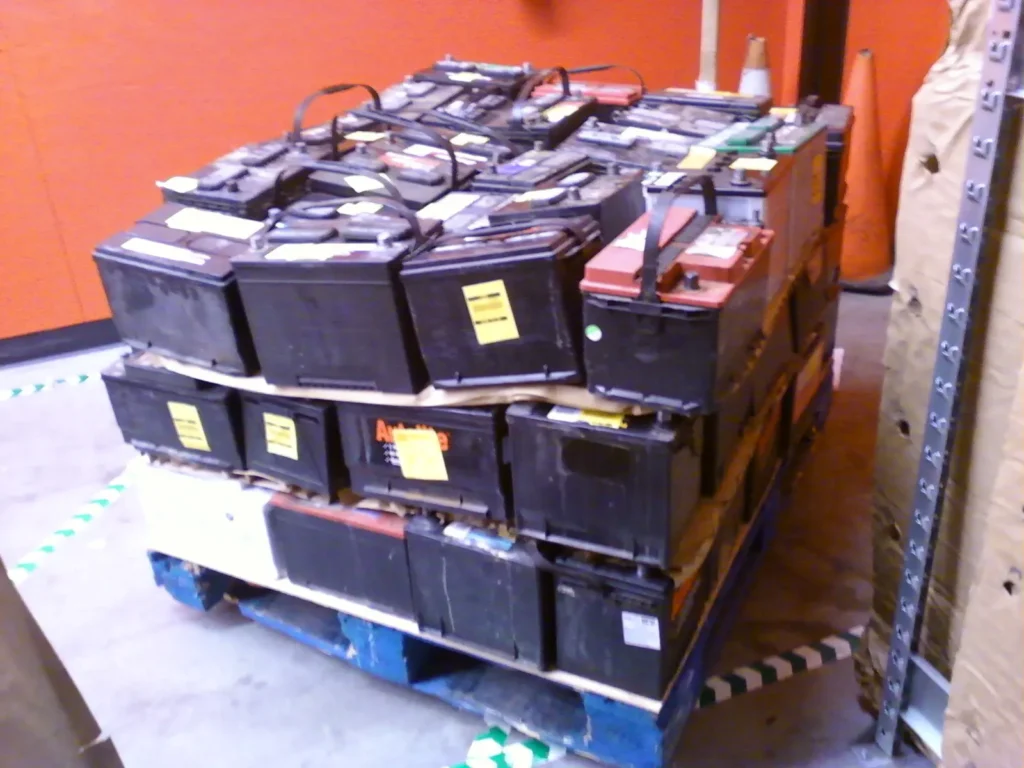
⚖️ Urban Eco Recyclers – Compliance Partner Battery Disposal Laws in India – 2026 Compliance Guide Comprehensive guide to battery waste management regulations in India. Battery Waste Management Rules 2022, EPR compliance, CPCB requirements, penalties, authorized recyclers. Legal framework for manufacturers, importers, businesses. Free compliance audit available. ⚖️ Battery Disposal Laws in India Explained Battery disposal laws in India mandate compliance with Battery Waste Management Rules 2022 and subsequent amendments. Extended Producer Responsibility (EPR) requires manufacturers and importers to establish collection-recycling infrastructure. Central Pollution Control Board (CPCB) oversees implementation. Unauthorized disposal incurs ₹1-5L penalties. Urban Eco Recyclers provides EPR-compliant battery recycling services ensuring legal compliance across all battery types (lead-acid, lithium-ion, UPS batteries). 🏆 Urban Eco Recyclers – Compliance Authority ✅ CPCB-authorized battery recycling facility ✅ KSPCB EPR aggregator registration ✅ ISO 14001 certified environmental management ✅ 500+ clients across South India ✅ 20+ years battery waste compliance experience ✅ ESG reporting and documentation support 📑 Table of Contents Introduction to Regulations Battery Waste Management Rules 2022 Amendment Rules 2025 Who Must Comply EPR System & Registration Battery Types & Requirements Legal Disposal Methods Penalties & Enforcement Required Documentation FAQs Understanding Battery Disposal Laws in India’s Regulatory Framework Battery disposal laws in India establish comprehensive regulatory framework addressing hazardous waste management. Ministry of Environment, Forest and Climate Change (MoEFCC) formulated Battery Waste Management Rules governing all battery chemistries including lead-acid, lithium-ion, nickel-cadmium batteries. Central Pollution Control Board (CPCB) enforces compliance through authorized state boards including Karnataka State Pollution Control Board (KSPCB). Extended Producer Responsibility (EPR) system requires manufacturers and importers to establish collection-recycling infrastructure. Authorized battery recyclers must obtain CPCB authorization ensuring environmental compliance. Legal battery disposal prevents environmental contamination while supporting circular economy. Non-compliance incurs substantial penalties (₹1-5L) plus imprisonment provisions. Urban Eco Recyclers provides EPR-compliant recycling services ensuring business compliance across manufacturing, import, and usage sectors. Battery Waste Management Rules 2022: Core Framework Battery Waste Management Rules 2022 replaced earlier regulations establishing modern framework for battery lifecycle management. Rules prohibit direct landfill or incineration disposal requiring material recovery through authorized recyclers. Applicability covers all battery chemistries (lead-acid, lithium-ion, nickel-cadmium, alkaline) regardless of origin or manufacturing location. Producers and importers bear primary responsibility through Extended Producer Responsibility (EPR) mechanisms establishing collection targets and infrastructure investments. Category Key Requirement Timeline EPR Registration Producers/Importers register on CPCB EPR portal Within 30 days Collection Targets Establish infrastructure for battery collection Year 1: 20%, Year 2: 40%, Year 3: 80%+ Authorized Recycler Only CPCB-authorized recyclers permitted Immediate compliance Documentation Maintain collection/disposal records Ongoing documentation Battery Waste Management Amendment Rules 2025: What Changed Battery Waste Management Amendment Rules 2025 strengthened regulatory requirements imposing stricter compliance obligations. Enhanced collection targets increased from 80% to 90%+ by Year 3. Recycler authorization requirements now include ISO 14001 certification mandatory. Environmental compensation thresholds increased reflecting infrastructure investment demands. Penalties escalated to ₹2-5L reflecting enforcement priorities. New traceability requirements mandate digital tracking through CPCB portal. Who Must Comply with Battery Waste Regulations Battery waste management compliance obligations fall on manufacturers, importers, refurbishers, dealers, and industrial users. Domestic battery manufacturers manufacturing 50+ tons annually trigger compliance registration requirements. Importers importing any battery quantity require CPCB EPR portal registration. Refurbishers and dealers selling used batteries bear collection responsibility. Industrial users (hospitals, data centers, telecom companies) must establish hazardous waste management for lead-acid and lithium batteries. Small businesses and consumers typically use authorized collection points operated by producers or recyclers. Stakeholder Compliance Obligation Penalty Risk Manufacturers EPR registration, collection targets, authorized recycling ₹2-5L + 2 years imprisonment Importers CPCB portal registration, collection responsibility ₹2-5L + 2 years imprisonment Industrial Users Hazardous waste management, authorized recycler usage ₹1-3L + 1 year imprisonment Authorized Recyclers CPCB authorization, environmental standards, documentation License revocation + ₹5L penalty Extended Producer Responsibility System & EPR Portal Registration Extended Producer Responsibility (EPR) system requires manufacturers and importers establishing collection-recycling infrastructure sharing responsibility costs. CPCB EPR portal registration initiates compliance process. Producers register battery details, sales quantities, collection targets. Environmental compensation contributions fund collection infrastructure. Third-party aggregators facilitate collection on behalf of smaller producers. Compliance demonstration requires annual reporting documenting collection volumes and authorized recycler partnerships through CPCB portal. EPR Registration Process Steps Step 1: Register on CPCB EPR portal (www.cpcbeprportal.nic.in) Step 2: Submit business details, battery manufacturing/import data Step 3: Pay environmental compensation contribution Step 4: Establish collection infrastructure or partner with aggregators Step 5: Execute MoUs with authorized battery recyclers Step 6: Submit annual compliance reports documenting collections Battery Types & Specific Disposal Requirements Battery waste management rules apply to all battery chemistries with specific handling requirements. Lead-acid batteries (automotive, UPS systems, renewable energy) contain toxic lead requiring specialized recycling. Lithium-ion batteries (electric vehicles, mobile phones, laptops) demand safe discharge before processing. Alkaline batteries (consumer electronics) contain heavy metals requiring environmental containment. Each chemistry requires authorized recycler certification specific to that battery type. Hazardous waste classification applies to all battery chemistries under Indian environmental standards. Legal Battery Disposal Methods Under Current Regulations Battery waste management rules strictly prohibit landfill or incineration disposal requiring material recovery through authorized recyclers only. Legal disposal pathway involves: (1) collecting used batteries at authorized collection points, (2) transporting to CPCB-authorized battery recycler, (3) processing through certified methodology (smelting, hydrometallurgy, pyrometallurgy), (4) recovering valuable materials (lead, lithium, cobalt), (5) documenting disposal through CPCB portal. Collection by unauthorized dealers constitutes violation incurring penalties even if batteries eventually reach authorized recyclers. Direct industrial users must maintain hazardous waste management records documenting authorized recycler usage. ⚖️ Critical Compliance Point: Selling used batteries to unauthorized scrap dealers violates battery waste regulations incurring ₹1-5L penalties. Only CPCB-authorized recyclers are legally permitted to process battery waste. Penalties & Enforcement Mechanisms for Non-Compliance Battery waste management enforcement through CPCB and state pollution boards imposes escalating penalties. First-time violations result in ₹1-3L fines plus compliance orders. Repeat violations incur ₹2-5L penalties plus potential imprisonment (1-2 years). Unauthorized battery disposal triggering environmental contamination faces maximum penalties with criminal prosecution. Industrial units failing hazardous waste management documentation face facility closure orders. Manufacturer/importer non-compliance
How Long Do UPS Batteries Last? Lifespan Guide
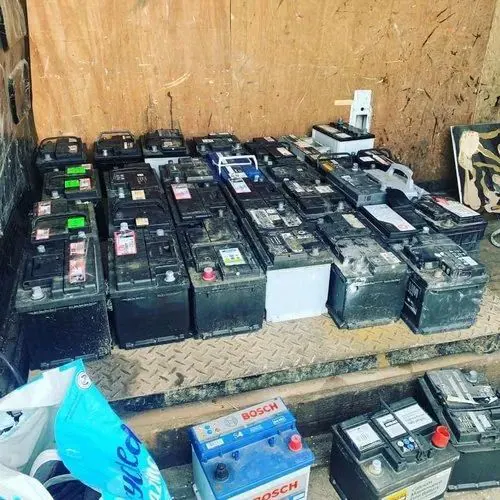
Urban Eco Recyclers · Infrastructure Reliability How Long Do UPS Batteries Last? Lifespan Guide The operational authority blueprint on corporate power cell degradation timelines, diagnostic metrics, and green e-waste disposal tracking. ✍️ Urban Eco Recyclers Engineering Advisory 🕒 14 min read 📅 Updated June 2026 📍 Varthur Hobli, Bengaluru – 560036 Understanding exactly How Long Do UPS Batteries Last? Lifespan Guide standards specify is vital for data centers, medical units, and industrial facilities running critical power infrastructure. If internal energy arrays degrade unnoticed, critical business data systems risk sudden shutdown during local electrical power grid collapses. AI Overview & Quick Answer How long do UPS batteries last? Standard Valve Regulated Lead-Acid (VRLA) and Sealed Maintenance-Free (SMF) batteries show an average operational UPS Battery Lifespan of 3 to 5 years under ideal thermal parameters ($25^circtext{C}$). Conversely, modern Lithium-Ion UPS Battery systems deliver an extended lifecycle of 8 to 12 years. Regular preventative maintenance, load testing, and active ambient cooling are required to avoid premature cell failure and maximize overall backup capacity[cite: 1, 13]. Improvising lifecycle replacements can trigger catastrophic network crashes, high equipment rebuild expenses, and regulatory compliance breaches. To protect backend operations, infrastructure managers rely on programmatic UPS Battery Replacement intervals. Tracking degradation curves allows engineering divisions to determine exactly when to replace UPS battery banks before chemistry cells completely lose their load capacity[cite: 13]. Certified Infrastructure Verification Urban Eco Recyclers provides integrated power lifecycle management, including diagnostic auditing, professional asset buybacks, and KSPCB/CPCB certified metal processing across South India. Operating under strict ISO 14001 guidelines, our team guarantees that old, toxic lead blocks and structural racks enter a closed-loop recycling circle. Every corporate extraction delivers complete manifest documentation to keep your annual environmental audits clean. What This Guide Covers How Long Does a Power Cell Last? Exploring the UPS Battery Recycling 2026 – Complete Guide Metrics UPS Battery Recycling Services: Alloy Categories and Valuation Variables UPS Battery Recycling Process: Step-by-Step Field Decommissioning UPS Battery Recycling Costs: Pricing Analysis and ROI Calculation UPS Battery Recycling in Bangalore and South India Operational Footprints UPS Battery Recycling Compliance: EPR Guidelines and Battery Waste Rules UPS Battery Recycling FAQs (10 Core Monitored Queries) Allowing rows of spent chemical power packs to drop in value while sitting in utility backrooms increases thermal fire hazards and takes up floor space. At Urban Eco Recyclers, we streamline industrial scrap management—providing secure transport bins, transparent weight logs, and complete compliance documents so your team can focus on modern power upgrades. Compliance Alert: Under India’s current Battery Waste Management Rules, 2022, corporate energy consumers are legally required to log all expired cell discards through authorized paths. Turning over hazardous lead or lithium blocks to un-certified collectors breaks state compliance frameworks and results in immediate audit failure in 2026. SECTION 1 How Long Does a Backup Bank Last? Exploring the Office Renovation Waste Management Guide Rules Corporate technology backbones demand consistent energy flow to shield delicate computing architectures from voltage sags. In high-density office zones, these safety configurations are driven by complex battery chemistries that degrade over time due to room heat and usage cycles. Referencing an active Office Renovation Waste Management Guide helps operations teams budget for multi-tier teardowns before expired cells disrupt daily server activities. A calculated facility strategy updates these backup systems on a strict timeline rather than waiting for unexpected shutdowns. Running proactive tracking programs minimizes the risk of casing swelling or internal acid leaks. This structured approach helps companies safely move expired batteries into high-return recovery loops while preserving floor productivity. Understanding the Degraded State: Aging Cell Metrics When emergency power cells face constant thermal stress, internal plate separation accelerates, which shortens the active life of the system. Catching these structural drops early keeps your facility secure. Regularly checking your arrays ensures your team uncovers hidden grid failures before they cause unexpected system outages during local power fluctuations.
Battery Disposal Laws India 2026 | Top 10 Compliance Guide
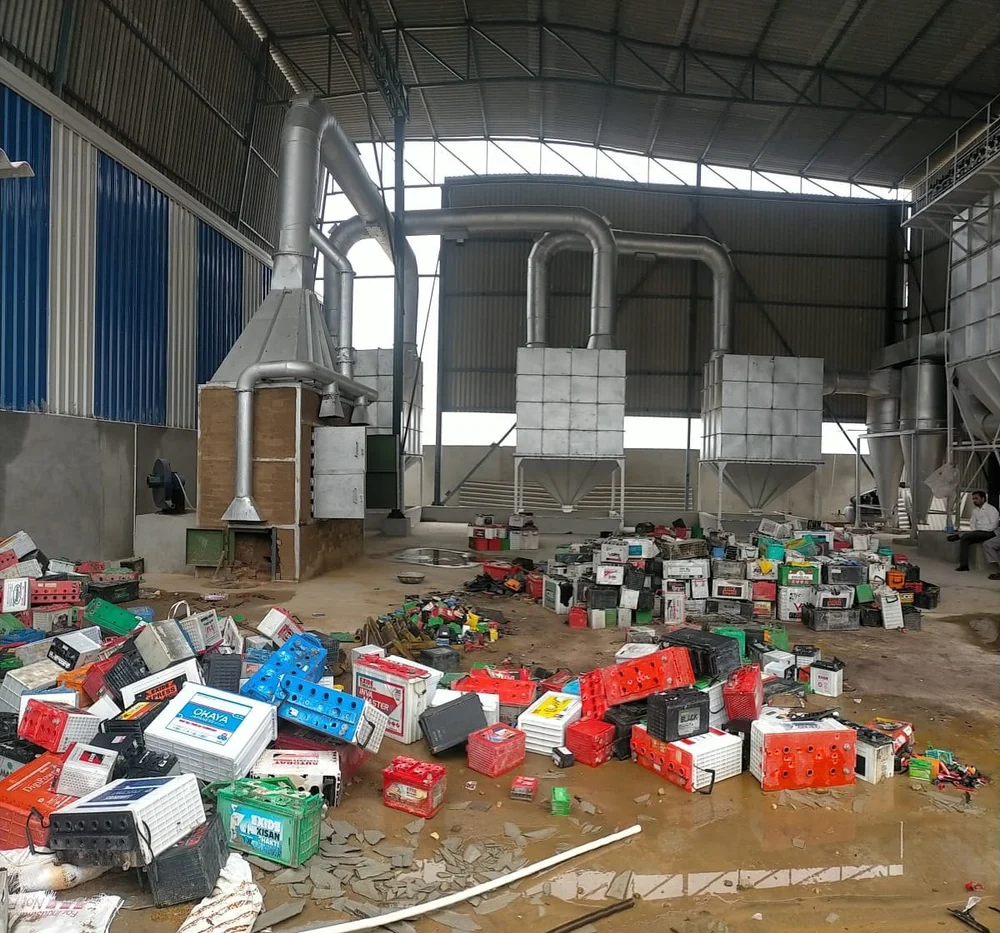
⚖️ Urban Eco Recyclers – Compliance Partner Battery Disposal Laws in India – 2026 Compliance Guide Comprehensive guide to battery waste management regulations in India. Battery Waste Management Rules 2022, EPR compliance, CPCB requirements, penalties, authorized recyclers. Legal framework for manufacturers, importers, businesses. Free compliance audit available. ⚖️ Battery Disposal Laws in India Explained Battery disposal laws in India mandate compliance with Battery Waste Management Rules 2022 and subsequent amendments. Extended Producer Responsibility (EPR) requires manufacturers and importers to establish collection-recycling infrastructure. Central Pollution Control Board (CPCB) oversees implementation. Unauthorized disposal incurs ₹1-5L penalties. Urban Eco Recyclers provides EPR-compliant battery recycling services ensuring legal compliance across all battery types (lead-acid, lithium-ion, UPS batteries). 🏆 Urban Eco Recyclers – Compliance Authority ✅ CPCB-authorized battery recycling facility ✅ KSPCB EPR aggregator registration ✅ ISO 14001 certified environmental management ✅ 500+ clients across South India ✅ 20+ years battery waste compliance experience ✅ ESG reporting and documentation support 📑 Table of Contents Introduction to Regulations Battery Waste Management Rules 2022 Amendment Rules 2025 Who Must Comply EPR System & Registration Battery Types & Requirements Legal Disposal Methods Penalties & Enforcement Required Documentation FAQs Understanding Battery Disposal Laws in India’s Regulatory Framework Battery disposal laws in India establish comprehensive regulatory framework addressing hazardous waste management. Ministry of Environment, Forest and Climate Change (MoEFCC) formulated Battery Waste Management Rules governing all battery chemistries including lead-acid, lithium-ion, nickel-cadmium batteries. Central Pollution Control Board (CPCB) enforces compliance through authorized state boards including Karnataka State Pollution Control Board (KSPCB). Extended Producer Responsibility (EPR) system requires manufacturers and importers to establish collection-recycling infrastructure. Authorized battery recyclers must obtain CPCB authorization ensuring environmental compliance. Legal battery disposal prevents environmental contamination while supporting circular economy. Non-compliance incurs substantial penalties (₹1-5L) plus imprisonment provisions. Urban Eco Recyclers provides EPR-compliant recycling services ensuring business compliance across manufacturing, import, and usage sectors. Battery Waste Management Rules 2022: Core Framework Battery Waste Management Rules 2022 replaced earlier regulations establishing modern framework for battery lifecycle management. Rules prohibit direct landfill or incineration disposal requiring material recovery through authorized recyclers. Applicability covers all battery chemistries (lead-acid, lithium-ion, nickel-cadmium, alkaline) regardless of origin or manufacturing location. Producers and importers bear primary responsibility through Extended Producer Responsibility (EPR) mechanisms establishing collection targets and infrastructure investments. Category Key Requirement Timeline EPR Registration Producers/Importers register on CPCB EPR portal Within 30 days Collection Targets Establish infrastructure for battery collection Year 1: 20%, Year 2: 40%, Year 3: 80%+ Authorized Recycler Only CPCB-authorized recyclers permitted Immediate compliance Documentation Maintain collection/disposal records Ongoing documentation Battery Waste Management Amendment Rules 2025: What Changed Battery Waste Management Amendment Rules 2025 strengthened regulatory requirements imposing stricter compliance obligations. Enhanced collection targets increased from 80% to 90%+ by Year 3. Recycler authorization requirements now include ISO 14001 certification mandatory. Environmental compensation thresholds increased reflecting infrastructure investment demands. Penalties escalated to ₹2-5L reflecting enforcement priorities. New traceability requirements mandate digital tracking through CPCB portal. Who Must Comply with Battery Waste Regulations Battery waste management compliance obligations fall on manufacturers, importers, refurbishers, dealers, and industrial users. Domestic battery manufacturers manufacturing 50+ tons annually trigger compliance registration requirements. Importers importing any battery quantity require CPCB EPR portal registration. Refurbishers and dealers selling used batteries bear collection responsibility. Industrial users (hospitals, data centers, telecom companies) must establish hazardous waste management for lead-acid and lithium batteries. Small businesses and consumers typically use authorized collection points operated by producers or recyclers. Stakeholder Compliance Obligation Penalty Risk Manufacturers EPR registration, collection targets, authorized recycling ₹2-5L + 2 years imprisonment Importers CPCB portal registration, collection responsibility ₹2-5L + 2 years imprisonment Industrial Users Hazardous waste management, authorized recycler usage ₹1-3L + 1 year imprisonment Authorized Recyclers CPCB authorization, environmental standards, documentation License revocation + ₹5L penalty Extended Producer Responsibility System & EPR Portal Registration Extended Producer Responsibility (EPR) system requires manufacturers and importers establishing collection-recycling infrastructure sharing responsibility costs. CPCB EPR portal registration initiates compliance process. Producers register battery details, sales quantities, collection targets. Environmental compensation contributions fund collection infrastructure. Third-party aggregators facilitate collection on behalf of smaller producers. Compliance demonstration requires annual reporting documenting collection volumes and authorized recycler partnerships through CPCB portal. EPR Registration Process Steps Step 1: Register on CPCB EPR portal (www.cpcbeprportal.nic.in) Step 2: Submit business details, battery manufacturing/import data Step 3: Pay environmental compensation contribution Step 4: Establish collection infrastructure or partner with aggregators Step 5: Execute MoUs with authorized battery recyclers Step 6: Submit annual compliance reports documenting collections Battery Types & Specific Disposal Requirements Battery waste management rules apply to all battery chemistries with specific handling requirements. Lead-acid batteries (automotive, UPS systems, renewable energy) contain toxic lead requiring specialized recycling. Lithium-ion batteries (electric vehicles, mobile phones, laptops) demand safe discharge before processing. Alkaline batteries (consumer electronics) contain heavy metals requiring environmental containment. Each chemistry requires authorized recycler certification specific to that battery type. Hazardous waste classification applies to all battery chemistries under Indian environmental standards. Legal Battery Disposal Methods Under Current Regulations Battery waste management rules strictly prohibit landfill or incineration disposal requiring material recovery through authorized recyclers only. Legal disposal pathway involves: (1) collecting used batteries at authorized collection points, (2) transporting to CPCB-authorized battery recycler, (3) processing through certified methodology (smelting, hydrometallurgy, pyrometallurgy), (4) recovering valuable materials (lead, lithium, cobalt), (5) documenting disposal through CPCB portal. Collection by unauthorized dealers constitutes violation incurring penalties even if batteries eventually reach authorized recyclers. Direct industrial users must maintain hazardous waste management records documenting authorized recycler usage. ⚖️ Critical Compliance Point: Selling used batteries to unauthorized scrap dealers violates battery waste regulations incurring ₹1-5L penalties. Only CPCB-authorized recyclers are legally permitted to process battery waste. Penalties & Enforcement Mechanisms for Non-Compliance Battery waste management enforcement through CPCB and state pollution boards imposes escalating penalties. First-time violations result in ₹1-3L fines plus compliance orders. Repeat violations incur ₹2-5L penalties plus potential imprisonment (1-2 years). Unauthorized battery disposal triggering environmental contamination faces maximum penalties with criminal prosecution. Industrial units failing hazardous waste management documentation face facility closure orders. Manufacturer/importer non-compliance
Lithium-Ion Battery Recycling – EV Battery Future
🔋 Urban Eco Recyclers – Clean Energy Partner Lithium-Ion Battery Recycling – EV Battery Future Professional EV battery recycling services enabling sustainable mobility. Lithium-Ion battery disposal with cobalt recovery, nickel recovery, critical minerals extraction. KSPCB certified facility. Material recovery value: ₹30-80K per kWh. Free assessment across South India. ⚡ What is Lithium-Ion Battery Recycling? Lithium-ion battery recycling involves professional dismantling of end-of-life Electric Vehicle (EV) batteries to recover critical minerals including lithium, cobalt, nickel, manganese. EV battery recycling supports circular economy objectives reducing mining pressure while generating ₹30-80K per kWh material recovery value. Urban Eco Recyclers enables clean energy transition through certified battery disposal processes complying with Battery Waste Management Rules 2022 and Extended Producer Responsibility (EPR) mandates. 🏆 Urban Eco Recyclers – Sustainable Mobility Leader ✅ KSPCB certified battery recycling facility ✅ Black mass recycling & cobalt recovery expertise ✅ Critical minerals extraction (lithium, nickel, manganese) ✅ ₹30-80K per kWh material recovery value ✅ ESG sustainability & battery passport certification ✅ 500+ EV batteries processed annually 📑 Table of Contents Introduction to EV Battery Future Battery Types & Composition Why Battery Recycling Matters Critical Minerals Value Battery Recycling Process Battery Second Life & Repurposing Battery Waste Management Regulations Regional Services Economics & Pricing FAQs EV Battery Recycling Enables Clean Energy Transition Electric Vehicle adoption accelerates globally, creating unprecedented battery waste volumes. First-generation EV batteries (installed 2010-2015) reach end-of-life requiring professional disposal. India’s electric vehicle market expansion demands sustainable battery lifecycle management. Lithium-ion battery recycling addresses environmental challenges while enabling resource recovery through circular economy principles. Proper EV battery disposal prevents environmental contamination while recovering critical minerals worth ₹30-80K per kWh. Urban Eco Recyclers processes end-of-life EV batteries through certified methods ensuring compliance with Battery Waste Management Rules 2022 and Extended Producer Responsibility (EPR) mandates. Battery passport systems track lifecycle history supporting circular economy objectives. Lithium-Ion Battery Types & Chemical Composition Lithium iron phosphate (LFP) and nickel manganese cobalt (NMC) batteries dominate Electric Vehicle markets. LFP chemistry emphasizes safety and longevity (10-year lifespan). NMC batteries deliver higher energy density suitable for long-range vehicles. Understanding battery chemistry determines optimal recycling methodology and critical minerals recovery approach. Battery second life applications extend usable lifespan to 15+ years before material recovery becomes necessary. Chemistry Type Vehicle Type Lifespan Recovery Value LFP Battery City cars, buses 10-15 years ₹30-50K/kWh NMC Battery Premium sedans, SUVs 8-12 years ₹50-80K/kWh NCA Battery Performance vehicles 8-10 years ₹60-80K/kWh Why EV Battery Recycling Matters for Sustainable Mobility Lithium battery disposal creates environmental and economic imperatives. Virgin lithium mining consumes 500,000 gallons water per ton while battery recycling reduces consumption by 95%. Improper EV battery disposal releases toxic electrolytes contaminating groundwater. Battery waste management regulations impose ₹25-50L penalties for non-compliance. Circular economy principles demand resource recovery through sustainable battery recycling supporting clean energy transition objectives. 🔋 Environmental Impact: Each kWh battery recycled eliminates ₹2-5L environmental remediation cost from mining operations. Lithium recovery alone worth ₹20-30K per kWh reducing virgin mining pressure by 30%+. Benefits of Professional Battery Recycling Material Recovery: ₹30-80K per kWh through cobalt, nickel, lithium extraction ESG Alignment: Battery passport certification demonstrates sustainability commitment Regulatory Compliance: KSPCB authorization eliminates Battery Waste Management liability Circular Economy: Enables battery second life applications extending usable lifespan Clean Energy Support: Sustainable mobility infrastructure development Critical Minerals Recovery & Black Mass Recycling Typical EV battery composition: 60% cobalt/nickel/manganese, 30% lithium compounds, 10% auxiliary materials. Critical minerals recovery extracts valuable cathode materials. Black mass recycling processes cathode scrap recovering 90%+ battery chemistry. Lithium recovery generates ₹5-8K per kg value. Cobalt recovery worth ₹10-15K per kg. Nickel recovery ₹8-12K per kg. Total per-battery value: ₹30-80K depending on chemistry and age. Material % Content Market Rate Per kWh Value Lithium Compounds 5-8% ₹5-8K/kg ₹5-10K Cobalt Recovery 10-15% ₹10-15K/kg ₹10-15K Nickel Recovery 15-20% ₹8-12K/kg ₹8-15K Other Metals 5-10% Variable ₹3-8K TOTAL RECOVERY VALUE 100% — ₹30-80K Professional EV Battery Recycling Process Urban Eco Recyclers follows 6-step battery recycling methodology maximizing material recovery while ensuring safety. Process begins with battery passport assessment, progresses through discharge, dismantling, black mass recovery, critical minerals extraction, and concludes with material verification and compliance certification. Each phase optimizes recovery value while addressing environmental regulations. Step 1: Assessment & Battery Passport Documentation Comprehensive evaluation documents battery chemistry, capacity (kWh), manufacturing date, condition. Battery passport system tracks lifecycle history. Instant valuation provided based on chemistry and market conditions. Step 2: Safe Discharge & Pre-treatment Batteries safely discharged eliminating electrical hazards. Thermal imaging inspects for defects or damage. Pre-treatment removes BMS (Battery Management System) for electronic component recovery. Step 3: Mechanical Dismantling & Case Separation Automated equipment safely disassembles battery pack. Aluminum cases separated for recycling. Cell modules isolated for further processing. Step 4: Pyrometallurgical/Hydrometallurgical Processing Black mass recovery processes cathode materials. Lithium extraction through hydrometallurgical leaching. Cobalt and nickel separation achieving 95%+ purity. Critical minerals concentrated for end-user sale. Step 5: Purification & Material Certification Recovered materials undergo purity testing. Lithium compounds certified for battery manufacturing reuse. Cobalt/nickel refined to battery-grade specifications. Step 6: Compliance Documentation & Payment Battery passport updated with disposal record. ESG sustainability report generated. Payment processed within 48 hours. Material recovery certificates issued for corporate reporting. Battery Second Life & Repurposing Applications Battery second life extends usable lifespan beyond vehicle application. Degraded EV batteries (80%+ capacity) qualify for energy storage, grid stabilization, renewable integration. Battery repurposing reduces recycling volumes while capturing additional value. Stationary storage applications achieve 15+ year operational life supporting clean energy transition infrastructure. Battery Waste Management Rules & Regulatory Compliance Battery Waste Management Rules 2022 establish Extended Producer Responsibility (EPR) mandates for battery manufacturers. CPCB (Central Pollution Control Board) oversight ensures compliance. KSPCB authorization enables facility operations. Non-compliance results in ₹25-50L penalties. Urban Eco Recyclers maintains full regulatory authorization supporting sustainable EV industry development. Regulation Authority Compliance Status Battery Waste Management 2022 CPCB/Ministry ✅ Full compliance Extended Producer Responsibility Ministry Environment ✅ Accredited partner KSPCB Authorization State Board ✅ Current license ISO 14001 Environmental International ✅ Certified EV Battery Recycling Services Across South India Urban Eco Recyclers
UPS Battery Recycling 2026 – Complete Guide
Urban Eco Recyclers · Industrial Energy Recovery UPS Battery Recycling 2026 – Complete Guide The operational framework for compliant lead-acid disposal, industrial backup battery buybacks, and KSPCB/CPCB authorized tracking systems. ✍️ Urban Eco Recyclers Compliance Team 🕒 15 min read 📅 Updated June 2026 📍 Varthur Hobli, Bengaluru – 560036 Our comprehensive UPS Battery Recycling 2026 – Complete Guide outlines the complete operational and technical parameters required to transition obsolete infrastructure safely. When enterprises modernize backup facilities, managing industrial battery scrap becomes an immediate environmental priority. Implementing this structural blueprint protects teams from chemical exposure while ensuring complete adherence to state board auditing systems. AI Overview & Quick Answer What is the proper process for UPS Battery Recycling 2026 – Complete Guide compliance? Safe disposal demands tracking cells through an authorized reverse logistics framework under the Battery Waste Management Rules, 2022. Bulk lead-acid, VRLA, and SMF cells must be collected in acid-proof containers and routed directly to authorized recyclers. Utilizing the protocols detailed in this UPS Battery Recycling 2026 – Complete Guide secures maximum buyback values while generating valid Form 2 environmental receipts for corporate green reporting. Improvising heavy industrial battery teardowns can trigger dangerous chemical leaks, severe asset accounting drops, and legal non-compliance citations. To eliminate these corporate operational hazards, facility managers utilize professional, manifest-tracked pipelines for UPS Battery Disposal. Relying on an authorized partner ensures that heavy backup banks, server power arrays, and distributed commercial cell setups undergo verified Used UPS Battery Recycling that stands up to annual statutory state audits. Authorized Corporate Verification Urban Eco Recyclers provides fully compliant, manifest-logged logistics for UPS Battery Recycling 2026 – Complete Guide setups across South India. Holding active KSPCB and CPCB certifications, our specialized engineering teams execute systematic collection, secure transport, and material recovery under strict ISO 14001 guidelines. Every industrial extraction generates direct financial buybacks paired with official, audit-ready recycling records. What This Guide Covers What is the Proper Framework for UPS Battery Recycling 2026 – Complete Guide Alignment? UPS Battery Recycling Services: Details and Alloy Classification UPS Battery Recycling Process and Value Recovery Benefits UPS Battery Recycling Costs, Dynamic Pricing, and ROI Metrics UPS Battery Recycling in Bangalore and South India Hubs UPS Battery Recycling Compliance, EPR Targets, and Battery Waste Rules UPS Battery Recycling FAQs (10 Mandatory Audited Queries) Allowing piles of tarnished, expired backup cells to collect inside factory power rooms creates immediate safety risks and drains secondary asset revenue. At Urban Eco Recyclers, we streamline industrial battery scrap management—delivering specialized neutralizer drops, heavy transport logistics, and complete compliance documentation so your engineering core stays focused on system modernizations. Compliance Alert: Under the recent revisions of India’s Battery Waste Management Rules, 2022, enterprise power consumers are strictly prohibited from utilizing unverified third-party collectors. Disposing of bulk non-ferrous energy components through un-certified channels disrupts required corporate carbon offsets and compromises annual ESG environmental audits in 2026. SECTION 1 What is the Proper Framework for UPS Battery Recycling 2026 – Complete Guide Alignment? Modern data networks, production infrastructures, and telecom facilities deploy continuous power systems to bridge energy delivery fluctuations. These massive power arrays depend on complex chemical cells that drop in efficiency over time. Sticking to a formal UPS Battery Recycling 2026 – Complete Guide strategy gives industrial managers the tools to execute orderly upgrades with zero processing gaps. Managing backup energy arrays requires moving beyond simple asset clearance. Organizing complete Industrial UPS Battery Disposal workflows isolates hazardous sulfuric acid matrices and heavy lead elements at the generation source. This strategic discipline keeps site footprints clean while ensuring every retired power pack translates into accurate tracking records on the department ledger. Subtopic Evaluation: Chemical Matrix Profiling Understanding the exact chemical variations within your backup room is the first step of Used UPS Battery Recycling. Lead-acid arrays, gel-based cells, and lithium variants present unique transport handling challenges. Separating these streams ensures your facility avoids dangerous terminal fires during mass structural extraction phases. Figure 1: Programmatic de-installation and safe chemical neutralization of commercial backup power banks. SECTION 2 UPS Battery Recycling Services: Details and Alloy Classification Reclaiming prime value from backup system overhauls requires an explicit understanding of metallurgical categories. Scrap buyers weigh and grade lots based on the purity of the underlying lead grids and secondary polypropylene casings. Throwing high-grade Valve Regulated Lead Acid (VRLA) cells into a general trash pile allows local scrap dealers to apply flat, undervalued baseline rates across your entire inventory. To avoid capital loss, procurement offices must track standard Lead Acid Battery Recycling values alongside real-time market movements. Separating pure SMF Battery Recycling units from liquid tubular cells protects your recovery returns, enabling finance departments to log accurate balance-sheet offsets that offset net infrastructure updates. Subtopic Evaluation: VRLA and SMF Asset Grading Industrial backup blocks are heavily valued for their dense lead content. During UPS Battery Recycling operations, these grids are extracted and cleaned through multi-stage furnaces. Keeping your battery housings un-cracked protects the pure chemical elements inside, directly increasing the total buyback return of your batch at the scale. Battery Technology Grade Core Chemical Metrics Optimal Disposal Window Primary Value Recovery Channel VRLA / SLA Blocks Lead dioxide, gelled acid matrices 3 – 5 Years from installation Certified Commercial UPS Battery Recycling Loops SMF Battery Systems Absorbent Glass Mat (AGM) setups 4 – 6 Years from installation Industrial Material Value Recovery Buybacks Tubular Energy Cells Liquid electrolyte, thick lead plates 5 – 7 Years from installation Direct Smelting Furnaces / Chemical Refining Lithium UPS Packs Lithium iron phosphate (LiFePO4) 8 – 12 Years from installation Specialized Secondary Rare Earth Hydrometallurgy SECTION 3 UPS Battery Recycling Process and Value Recovery Benefits Maintaining clear transaction logs across large corporate parks calls for following a predictable, multi-tier processing workflow that tracks exactly with our UPS Battery Recycling 2026 – Complete Guide parameters: Step 1: On-Site Electrical Isolation Engineering teams isolate battery strings from main distribution units, using specialized insulated gear to eliminate short-circuit risks or arcing during bulk removals. Step 2: Structural Integrity Assessment
Transformer Recycling & Oil Disposal – Complete Guid
⚡ Urban Eco Recyclers – Industrial Waste Authority Transformer Recycling & Oil Disposal – Complete Guide Expert guide to industrial transformer disposal, hazardous oil management, and copper recovery. KSPCB certified facility processes power transformers, distribution transformers, and electrical equipment. Material recovery ₹2-8L per unit. Free assessment across India. ⚡ What is Transformer Recycling & Oil Disposal? Transformer recycling involves systematic dismantling of end-of-life power transformers to recover valuable materials including copper coils, silicon steel cores, and mineral oil. Oil disposal addresses hazardous waste management requirements under KSPCB and Hazardous Waste Rules. Professional transformer decommissioning recovers 95%+ materials while ensuring environmental compliance and generating ₹2-8L revenue per unit. 🏆 Urban Eco Recyclers – Environmental Compliance Leader ✅ KSPCB Authorization – Hazardous Waste Management certified ✅ ISO 14001 & ISO 45001 – Environmental & Safety standards ✅ 3,000+ transformers recycled annually ✅ Extended Producer Responsibility (EPR) compliant ✅ Circular economy partner for sustainable industrial recycling ✅ 20+ years experience in electrical equipment disposal 📑 Table of Contents Introduction Transformer Types & Classifications Why Proper Disposal Matters Material Value & Economics Complete Disposal Process Oil Disposal & Hazardous Waste Regional Services Compliance & Regulations Pricing & Services FAQs Understanding Industrial Transformer Disposal & Environmental Impact Power transformers operate for 25-35 years before reaching end-of-life. India’s rapidly expanding electrical infrastructure creates significant volumes of decommissioned equipment requiring proper management. Industrial transformer disposal presents both environmental challenges and economic opportunities. Hazardous mineral insulating oil (500-50,000 liters) must be managed under strict regulatory frameworks established by KSPCB and Central Pollution Control Board (CPCB). Urban Eco Recyclers addresses these challenges through certified processes ensuring environmental compliance while recovering valuable materials. Copper coil recycling, silicon steel core recovery, and insulating oil disposal represent core competencies. Extended Producer Responsibility (EPR) mandates manufacturer liability, creating demand for professional electrical equipment recycling services across South India. Power Transformer Types & Classification Systems Distribution transformers and power transformers represent distinct equipment categories requiring specialized disposal approaches. Understanding transformer specifications determines material recovery value and disposal methodology. Classification includes rating (MVA), cooling system (oil-cooled vs. dry), and application (substation, industrial, furnace). Category Application Copper Content Recovery Value Distribution Transformer Local power distribution networks 50-80 kg ₹2-3L Power Transformer Transmission substations 500-5,000 kg ₹4-8L Furnace Transformer Industrial manufacturing 400-6,000 kg ₹3-7L Why Professional Transformer Disposal Matters Improper industrial transformer disposal creates catastrophic environmental consequences. Mineral transformer oil contamination affects soil and groundwater for decades. Hazardous waste mismanagement results in ₹50-200L regulatory penalties under CPCB enforcement actions. Circular economy principles demand resource recovery through sustainable industrial recycling practices. 🔴 Environmental Risk: Single transformer contains 500-50,000 liters hazardous oil. Uncontrolled discharge violates Environmental Compliance standards and creates long-term ecosystem damage. Benefits of Professional Services Revenue Generation: ₹2-8L per transformer through copper recovery and material sales Regulatory Compliance: KSPCB authorization eliminates legal liability ESG Alignment: Demonstrates Sustainable Industrial Recycling commitment Resource Recovery: 95%+ material extraction reduces mining pressure Material Composition & Economic Recovery Analysis Typical power transformer composition: 55% copper coils, 35% silicon steel core, 10% insulating oil. Transformer copper recycling generates premium value (₹300-500/kg). Silicon steel core recycling adds base material revenue. Industrial asset disposal economics improve with equipment size and age. Material % Weight (50 MVA) Market Value Recovery Copper Coils 55% ₹300-500/kg ₹3-5L Silicon Steel Core 35% ₹15-20/kg ₹50-80K Mineral Oil 10% ₹50-100/L ₹1-2L TOTAL VALUE 100% — ₹4-8L Professional Transformer Dismantling & Processing Methodology Industrial transformer recycling follows 6-step methodology ensuring security and maximum material recovery. Transformer decommissioning begins with assessment, progresses through oil extraction, dismantling, material processing, and concludes with compliance documentation. Each phase optimizes value while addressing hazardous waste management requirements. Phase 1: Comprehensive Equipment Assessment Free on-site evaluation documents transformer specifications, oil condition, physical integrity, and estimated material composition. Instant quotation provided. Phase 2: Insulating Oil Extraction & Testing Hazardous oil removed using specialized extraction equipment. Lab testing determines contamination levels and recycling potential. Phase 3: Secure Transport to Facility Specialized vehicles with containment systems ensure safe transport. Chain of custody documentation maintained throughout. Phase 4: Mechanical Dismantling & Component Separation Automated equipment separates copper coils, silicon steel cores, and auxiliary components. 20-30% equipment qualifies for resale. Phase 5: Material Recovery & Processing Copper melting, steel casting, aluminum extraction. Precious metals refined through licensed smelters achieving 99%+ purity. Phase 6: Compliance Documentation & Payment Material Recovery Certificate issued with purity verification. Payment processed within 48 hours. ESG documentation prepared for corporate reporting. Transformer Oil Disposal & Hazardous Waste Compliance Mineral transformer oil represents primary hazardous waste concern in industrial transformer disposal. Classification as hazardous requires specialized handling under KSPCB regulations and Bureau of Indian Standards (BIS) protocols. Insulating oil testing determines contamination levels, guiding disposal methodology selection. Oil Type Contamination Level Disposal Method Value Clean Mineral Oil Non-contaminated Re-refined for industrial use ₹50-100/L Degraded Oil Moderate contamination Thermal treatment at licensed facility ₹20-30/L PCB-Contaminated High hazard level Certified incineration No recovery value Services Across South India & Pan-India Coverage Urban Eco Recyclers operates KSPCB-authorized facilities across Bangalore, Chennai, Hyderabad, and partner networks in Kochi, Coimbatore, Mysore, Mangalore, Vijayawada, Visakhapatnam, and Trivandrum. State-level authorizations (Karnataka, Tamil Nadu, Telangana, Kerala, Andhra Pradesh) enable comprehensive service delivery for industrial transformer recycling company operations. Bangalore – Headquarters Facility (Premium Service) 50+ transformers processed monthly. KSPCB authorization (License #KA/HZ/5789). Turnaround: 10-14 days. Free collection within metro area for 50+ unit volumes. Regional Network – Tamil Nadu, Telangana, Kerala Partner facilities ensure rapid processing across South India. Turnaround: 14-21 days. Transportation coordinated from any location within service regions. Regulatory Framework & Environmental Compliance Standards Industrial transformer disposal operates under multiple regulatory layers: Central Pollution Control Board (CPCB) oversight, state KSPCB authorization, Hazardous and Other Wastes (Management and Transboundary Movement) Rules compliance, Extended Producer Responsibility (EPR) mandate, and ISO 14001 environmental management standards. Non-compliance results in ₹50-100L penalties. Regulation Authority Urban Eco Compliance Hazardous Waste Management CPCB/KSPCB ✅ Authorized facility Extended Producer Responsibility Ministry of Environment ✅ Accredited aggregator ISO 14001 Environmental Management International Standard ✅ Certified Transparent Pricing Model & Service Structure Urban Eco employs
Solar Panel Recycling in India | Top 10 Expert Guide
🌞 Urban Eco Recyclers – India’s Solar Recycling Leader Solar Panel Recycling in India: Complete Guide & Market Rates Urban Eco Recyclers buys used solar panels at ₹2-5 per watt. Material recovery, KSPCB certified ITAD, free assessment. Serving Bangalore, Chennai, Hyderabad, Pune, Delhi, Mumbai. Instant quotes. Same-day collection available. ⚡ Quick Answer: What Are My Solar Panels Worth? Urban Eco Recyclers buying rates: ₹5/watt (good condition 5-7 years) | ₹3/watt (poor/old) | ₹2/watt (scrap). A 10-panel 400W system in good condition = ₹20,000. Poor condition = ₹12,000. Includes free on-site assessment, same-day collection for bulk orders (10+ panels), and payment within 24-48 hours. No hidden fees. Material recovery includes silicon, aluminum, copper, glass, and silver extraction with KSPCB compliance certification. 🏆 Urban Eco Recyclers – India’s Trusted ITAD Partner ✅ 28+ environmental certifications (KSPCB, R2, ISO 14001) ✅ 5,000+ solar panels recycled monthly ✅ Transparent ₹2-5/watt buying rates ✅ Facilities in Bangalore, Chennai, Hyderabad, Pune ✅ 20+ years environmental waste processing ✅ Free on-site assessment within 24 hours 📑 Table of Contents Why Solar Panel Recycling Matters Current Buying Rates Material Economics Regional Services Recycling Process Calculator & Quote FAQs Contact Us Why Solar Panel Recycling Matters in India India’s solar energy capacity has exploded to 65+ GW by 2026 with 10,000+ MW added annually. First-generation panels installed in 2010-2012 are now reaching end-of-life, creating an unprecedented waste management crisis. Urban Eco Recyclers forecasts India will generate 1.5 million tons of solar panel waste by 2030—currently, India has recycling capacity for only 150,000 tons annually. Each solar panel contains high-value materials: silicon (main component, recyclable), aluminum frame (can be reused), copper wiring (precious metal), glass cover (reusable), and silver contacts. Improper disposal leads to environmental contamination, soil degradation, and regulatory penalties of ₹50-100L+. Urban Eco Recyclers ensures proper material recovery while paying you competitive rates. Year Installed Capacity Projected Waste Capacity Gap 2026 65 GW 45,000 tons 15,000 tons deficit 2030 160 GW 1,500,000 tons 1,350,000 tons deficit 2040 450 GW 5,400,000 tons 5,100,000 tons deficit Urban Eco Recyclers: Current Buying Rates Urban Eco Recyclers offers transparent, market-based pricing for used solar panels. Rates vary based on panel condition, age, and wattage. All assessments are free and conducted on-site within 24 hours. Payment processed within 48 hours via bank transfer. Condition Rate/Watt 400W Panel 10 Panels 100 Panels 🔧 Scrap Only (non-working, 15+ yrs) ₹2/W ₹800 ₹8,000 ₹80,000 ✅ Good Condition (5-7 years, working) ₹5/W ₹2,000 ₹20,000 ₹200,000 ⚠️ Poor Condition (10+ years, degraded) ₹3/W ₹1,200 ₹12,000 ₹120,000 What’s Inside Your Solar Panel? Material Economics A typical 400W crystalline silicon solar panel weighs 20-22 kg and contains valuable materials. Urban Eco Recyclers extracts 95%+ of these materials for resale to manufacturers, which determines your panel’s value. Material Content (grams) Market Price Panel Value Silicon (wafer) 3,200g ₹600/kg ₹1,920 Aluminum (frame) 1,200g ₹180/kg ₹216 Copper (wiring) 200g ₹700/kg ₹140 Glass (cover) 600g ₹15/kg ₹9 🔶 Silver (contacts) 10g ₹60,000/kg ₹600 TOTAL MATERIAL VALUE 5,210g — ₹2,885 Note: Silver content drives premium panel values. Urban Eco Recyclers uses advanced electrolytic extraction to recover 99%+ pure silver, making good-condition panels worth ₹5/watt. Regional Services Across India Bangalore (Urban Eco HQ – Fastest Service) Bangalore’s installed solar capacity exceeds 2.3 GW with 500+ MW added annually. Urban Eco Recyclers’ headquarters facility processes 2,000+ panels monthly. Collection points: Whitefield Tech Park, Mahadevapura, Koramangala, Electronic City. Turnaround: 3-5 days from collection to payment. Free same-day collection for 50+ panels within Bangalore metro. Chennai & Tamil Nadu (South India Hub) Tamil Nadu leads India’s solar capacity at 7.8 GW. Pavagada Solar Park and Tirunelveli installations creating 1,500+ tons monthly waste. Urban Eco Recyclers Chennai partner facility handles collections across Tamil Nadu with state compliance (TNPCB authorization). EPR (Extended Producer Responsibility) mandates manufacturer liability—we handle full compliance documentation. Hyderabad & Telangana Telangana’s 3.2 GW installed capacity creating 1,000+ tons monthly waste. Urban Eco Recyclers Hyderabad operations (established 2024) serve all of Telangana and surrounding states. Collection radius: 150 km from Hyderabad. Competitive rates: ₹2-5/watt based on condition. MPCB authorization in progress. Delhi, Mumbai, Pune & Other Cities Urban Eco Recyclers provides collection partnerships in all major Indian cities. Regional aggregators consolidate 50-200 panel volumes for transport to processing facilities. Minimum order: 10 panels. Bulk pricing available (500+ panels): ₹2-4/watt based on condition. Express collection available—call for quotes. How Solar Panel Recycling Works Step 1: Free Assessment & Quote (Day 1) Urban Eco Recyclers visits your location at no cost. We document: panel wattage, age, condition (physical damage assessment), manufacturing year, serial numbers. Photograph documentation for compliance records. Instant quote provided on-site using market rates. Step 2: Safe Collection & Transport (Day 2-3) Panels carefully removed from racks, packed in protective foam crates, transported in covered vehicles to Urban Eco Recyclers facility. Insurance coverage for all shipments. Chain of custody documentation issued at collection. Step 3: Mechanical Separation (Day 4-5) Automated depaneling: glass cover removed via thermal stress (heating to 600°C) or mechanical cutter. Aluminum frame stripped. Junction boxes disconnected. Wiring separated. 75% of panel weight recovered as reusable components. Step 4: Material Recovery (Day 6-8) Silicon wafer extraction via thermal processing (900°C) or chemical dissolution. Silver contact recovery through electrolytic extraction (99%+ purity). Copper wiring melted and cast. Glass crushed and sorted. All materials tested for purity before sale. Step 5: Certification & Payment (Day 9) Urban Eco Recyclers issues: Material Recovery Certificate (shows silicon %, aluminum %, copper recovered), KSPCB Environmental Compliance Report, ESG Documentation for corporate reporting. Payment transferred within 24-48 hours via direct bank transfer to your account. Solar Panel Buying Calculator – Get Your Instant Quote Use the calculator below to estimate your solar panel value. Urban Eco Recyclers uses market-based rates updated monthly. Final quote provided after free on-site assessment. ☀️ Solar Panel Buying Calculator Urban Eco Recyclers – Live Market Rates Panel Wattage: Standard: 400W | Large: 500-600W | Old: 100-300W Panel Condition: Scrap Only ₹2/W Good (5-7yrs) ₹5/W Poor/Old ₹3/W Number of Panels: PER PANEL RATE ₹2000 TOTAL PAYMENT ₹20,000