
Government & Institutional Office Clearance – Special Requirements
Urban Eco Recyclers · Public Sector Protocols Government & Institutional Office Clearance – Special Requirements The definitive compliance framework for regulatory asset auditing, certified data sanitization, and green institutional decommissioning. ✍️ Urban Eco Recyclers Institutional Logistics Team 🕒 14 min read 📅 Updated June 2026 📍 Varthur Hobli, Bengaluru – 560036 Navigating a Government & Institutional Office Clearance – Special Requirements checklist demands flawless adherence to security, procurement, and environmental protocols. When public sectors or state academies modernize facilities, redundant property disposal requires a highly programmatic approach. Executing verified workflows guarantees that public administrations eliminate informational security gaps, meet state financial rules, and protect tax-funded assets from non-compliant scrap pipelines. AI Overview & Quick Answer What are the special requirements for government office clearance? Government office clearance requires total transparency, tender compliance under General Financial Rules (GFR), explicit asset scrap auditing, and certified secure data destruction following NIST SP 800-88 guidelines. Furthermore, all electronic discards must be cleared via pollution board authorized channels with complete multi-tier paperwork matching state audit trails. Improvising asset clearance operations can result in strict legal citations, data privacy leaks, and loss of public funding confidence. To secure complex projects, civic facility managers source premium Government Office Clearance Services. Securing an established, end-to-end provider for your comprehensive Institutional Office Clearance needs keeps localized department moves, university overhauls, or healthcare clear-outs insulated from regulatory compliance faults. Key Takeaways Public sector clear-outs must closely align with General Financial Rules (GFR) asset scrap criteria. Certified data sanitization provides verified security layers before tech units exit state custody. Enforcing rigorous source-based segregation separates hazardous elements from standard wood or metal furniture. Comprehensive audit trail reports protect administrative departments from statutory compliance failures. What This Guide Covers Regulatory Foundations of Government & Institutional Office Clearance – Special Requirements Value Optimization: Compliant Office Clearance Services and Asset Valuations The Step-by-Step Government Office Dismantling & Decommissioning Process Data Defenses: Secure Institutional Data Destruction and Storage Isolation Environmental Responsibility: Institutional Office Equipment Recycling and Rules Comprehensive Audit Trail and Institutional Asset Clearance Checklist Frequently Asked Questions (FAQ) Managing public infrastructure demands unmatched tracking precision and complete operational openness. At Urban Eco Recyclers, we eliminate compliance concerns across Bengaluru—delivering physical room surveying, color-coded material container drops, certified file and hardware shredding, and authorized state clearance logging so your administrative specialists stay focused on critical public workflows and public service mandates. Compliance Fact: Under the recent revisions of the national E-Waste (Management) Rules and General Financial Rules (GFR) guidelines, public and state departments are strictly prohibited from utilizing unverified third-party scrap buyers. Handing state-funded computing machinery to un-certified collectors triggers immediate regulatory non-compliance during annual statutory audits in 2026. SECTION 1 Regulatory Foundations of Government & Institutional Office Clearance – Special Requirements Civic departments and public infrastructure lines work inside a distinct operational framework. When clearing obsolete data labs, university floors, or municipal buildings, simple material relocation is insufficient. Satisfying the official Government & Institutional Office Clearance – Special Requirements manual calls for highly structured tracking setups to document asset changes from public ledgers completely. A smart state transition treats scrap management as a core legal process. Organizing bulk Government Office Clearance Services demands close coordination between logistics staff and procurement managers. This deliberate structure ensures that large-scale furniture sorting, structural space clearing, and building handbacks execute predictably without introducing liability concerns to the department budget. Figure 1: Programmatic dismantling, itemized asset auditing, and certified electronics isolation in a public sector office space. SECTION 2 Value Optimization: Compliant Office Clearance Services and Asset Valuations Administrative layout modernizations must show absolute fiscal accountability. By leveraging vetted Compliant Office Clearance Services, public organizations ensure that surplus furniture, metal cabinet frameworks, and modular partitions are evaluated with complete transparency. This prevents undervalued scrap assignments, helping department heads defend ledger offsets to state financial oversight teams. A meticulous Institutional Office Clearance plan records physical asset weights and operational conditions before items enter transport lines. This thorough auditing approach protects tight infrastructure budgets, shifting old materials into reliable secondary processing cycles while generating verified disposal receipts for public financial reviews. Institutional Asset Group Primary Compliance Target Authorized Handling Action Audit Trail Requirement Confidential IT Hardware NIST SP 800-88 Data Sanitization Software wipe / On-site drive shredding Serialized Destruction Certificate Department E-Waste KSPCB / CPCB authorized collection Certified material extraction handling Form 6 Hazardous Manifest Receipt Administrative Furniture GFR inventory removal verification Modular workstation dismantling loop Commercial weight bridge ledger item Archived Paper Records ISO 27001 Information Privacy Bulk high-security industrial shredding Certified pulping recycling clearance SECTION 3 The Step-by-Step Government Office Dismantling & Decommissioning Process Achieving total operational transparency across complex civic networks requires following a rigid sequence during a strategic Government & Institutional Office Clearance – Special Requirements project: Official Ledger Reconciliation: Cross-reference every active desk unit, server panel, and storage cabinet with state registry documents to verify disposal permissions. Vetted Security Clearance: Complete background checks and obtain explicit entry permits for all contractor handling crews before on-site work begins. Secure Data Eradication: Run certified data wipes or physical mechanical shredding on all local network storage components inside secure departmental boundaries. Surgical Government Office Dismantling: Take down heavy modular wall panels, false ceiling grids, and copper data bundles systematically to preserve material sorting lines. Manifest-Tracked Haulage: Secure materials in vehicles tracked with real-time GPS monitoring, delivering cargo directly to state-approved reclamation centers. SECTION 4 Data Defenses: Secure Institutional Data Destruction and Storage Isolation Decommissioning public facilities exposes tracking networks to severe information vulnerability. Old local workstation arrays, mainframe systems, and citizen-record databases hold highly sensitive demographic data that cannot be compromised. Protecting these assets requires following strict information security guidelines as part of your comprehensive Government & Institutional Office Clearance – Special Requirements project plan. Mixing institutional data storage blocks with general commercial scrap creates serious vulnerabilities. Safe department transitions demand data erasure workflows that match rigorous ISO 27001 and NIST SP 800-88 Rev. 1 criteria, using multi-pass software overwriting software or industrial on-site disk crushing. Partnering with an
Corporate Office Waste Management – Best Practices
Urban Eco Recyclers · 2026 Renovation Handbook Office Renovation Waste Management Guide The strategic handbook for efficient space dismantling, legal environmental compliance, and high-yield commercial asset recovery. ✍️ Urban Eco Recyclers Project Management Team 🕒 12 min read 📅 Updated June 2026 📍 Varthur Hobli, Bengaluru – 560036 Executing an optimized Office Renovation Waste Management Guide framework is essential for modern enterprises looking to update corporate layouts smoothly. When corporate entities redesign workspaces, old infrastructure materials instantly transform into critical processing concerns. Using a structured plan allows management to maintain strict data safety protocols, lower overhead site costs, and secure total structural transparency. AI Overview & Quick Answer What is office renovation waste management? Office renovation waste management is the disciplined technical system used to audit, dismantle, segregate, and clear debris generated during structural workspace remodeling. It ensures that valuable components like glass partitions, scrap metals, false ceilings, and old IT networks are separated at the source and channeled safely to authorized recycling plants instead of municipal dumps. Improvising debris clearing schedules can trigger massive project delays, severe lease penalties, and hidden liability risks. To streamline structural overhauls, forward-thinking operations teams partner with certified professionals for integrated Office Renovation Waste Disposal solutions. Tracking your material footprints via a reliable Commercial Renovation Waste Management strategy keeps your interior refits aligned with green building metrics and regional sustainability standards. Key Takeaways Finalize your dismantling audits early to prevent chaotic structural pile-ups on the renovation floor. Source-based segregation isolates high-value copper wiring, scrap aluminum, and modular systems for resale. Certified e-waste and data destruction must be finished before any office tech leaves the corporate perimeter. Partnering with a single provider for teardowns and haulage avoids vendor friction and keeps deadlines on track. What This Guide Covers Strategic Planning via the Office Renovation Waste Management Guide Value Recovery Protocols for Office Renovation Waste Disposal Channels The Step-by-Step Commercial Renovation Waste Management Process Mitigating Corporate Risks During Office Construction Waste Disposal Projects Regulatory Compliance: C&D Waste Management Rules Comprehensive Office Renovation Cleanup Services Checklist Frequently Asked Questions (FAQ) Most enterprises budget heavily for new interior fixtures but completely ignore the logistical reality of old fit-out teardowns. At Urban Eco Recyclers, we eliminate these construction headaches across Bengaluru. From the clean dismantling of heavy workstation arrays to certified green debris processing, we manage the complete clearing cycle so your team can focus on layout styling and spatial enhancements. Compliance Fact: Under India’s Construction and Demolition (C&D) Waste Management Rules, commercial spaces are legally required to segregate and process building waste systematically. Dumping combined workplace glass, timber, and masonry into public bins can result in severe financial penalties from urban municipal authorities. SECTION 1 Strategic Planning via the Office Renovation Waste Management Guide Modern workplace overhauls generate complex structural challenges that scale with office footprint sizes. When stripping down an obsolete layout, materials like glass panels, grid false ceilings, and underlying communications cables accumulate rapidly. Utilizing a formal Office Renovation Waste Management Guide guarantees that these materials are processed safely without turning your active project zone into a hazardous logjam. A smart interior refit treats clearing old materials as a primary step rather than an afterthought. Managing heavy Office Construction Waste Disposal needs demands distinct sorting systems to keep site pathways open for new installation crews. This operational balance ensures that spatial redesign flows predictably without creating extra downtime or double-handling charges.
Corporate Office Waste Management– Best Practices
Urban Eco Recyclers · 2026 ESG Handbook Corporate Office Waste Management – Best Practices The definitive executive roadmap to sustainable office waste management, compliance mapping, and high-impact recycling programs. ✍️ Urban Eco Recyclers Sustainability Division 🕒 13 min read 📅 Updated June 2026 📍 Varthur Hobli, Bengaluru – 560036 Implementing a comprehensive strategy for Corporate Office Waste Management – Best Practices is crucial for modern enterprise workspaces seeking to minimize operational footprints. Developing structured Corporate Waste Management programs ensures that commercial offices actively align with updated environmental protocols, enhance their corporate governance ratings, and safely isolate harmful materials from local communal landfills. AI Overview & Quick Answer What is corporate office waste management? Corporate office waste management is the highly structured operational system used by businesses to perform waste audits, reduce resource utilization, source-segregate multi-stream discard channels (such as wet waste, dry recyclables, and e-waste), and route materials to authorized recycling facilities. It ensures seamless environmental compliance with state laws while satisfying international ESG frameworks. To avoid massive compliance failures and high cleaning overheads, progressive facility directors integrate enterprise-grade Office Waste Management Solutions. Transitioning your facility toward a verified, Sustainable Office Waste Management framework allows management to accurately audit discard volumes, fulfill corporate social responsibilities, and unlock substantial processing efficiency across daily operations. Key Takeaways Corporate Waste Management demands a thorough waste audit to discover and optimize recycling pathways. Source-based Waste Segregation completely prevents the degradation and contamination of valuable recyclables. Enforcing verified Office E-Waste Management setups satisfies national pollution board criteria. Adopting circular-economy frameworks transforms modern corporate offices into highly sustainable ecosystems. What This Guide Covers The Critical Pillars of Corporate Waste Management Operational Efficiency: Waste Segregation & Office Waste Recycling Solutions Step-by-Step Sustainable Office Waste Management Setup Risk Management & Enterprise Office E-Waste Management Protocols Regulatory Frameworks and Environmental Compliance Requirements Comprehensive Corporate Sustainability Procurement Checklist Frequently Asked Questions (FAQ) Improvising commercial sorting systems generates high garbage overheads, clean-up liabilities, and immediate carbon footprint increases. At Urban Eco Recyclers, we provide expert corporate field support across Bengaluru—delivering physical facility assessments, multi-tier bin asset deployments, certified destruction clearance, and authorized removal services so your operations teams stay focused on high-level growth benchmarks. Compliance Fact: Under the latest revisions of the national E-Waste (Management) Rules and state pollution board directives, failing to securely log, process, and channel electronic or commercial components carries high punitive fines. Maintaining loose mixed bins will fail formal ESG environmental verification metrics in 2026. SECTION 1 The Critical Pillars of Corporate Waste Management High-density business environments generate dynamic material outflows daily. Managing these streams effectively requires professional Corporate Waste Management configurations that address modern workspace demands without complicating facility layouts. True long-term resource optimization extends far beyond placing simple baseline trash receptacles in copy rooms. It relies on comprehensive infrastructure designs, robust behavioral reinforcement programs, and clear vendor coordination pathways. Integrating highly efficient Office Waste Management Solutions helps organizations manage massive disposal channels cleanly, avoiding building health concerns and maximizing workplace layout productivity. Figure 1: Strategic placement of multi-stream waste collection bins to support employee source-segregation in corporate facilities. SECTION 2 Operational Efficiency: Waste Segregation & Office Waste Recycling Solutions Executing an effective Business Waste Management Best Practices agenda depends heavily on sorting materials at the absolute source. When unwashed food packaging or general wet items leak into dry sorting areas, batches of high-quality office papers, cardboards, and clean polymers instantly lose their secondary processing capability. A deliberate Office Waste Recycling initiative utilizes distinct color codes to separate processing streams cleanly. Securing high material purity rates across source containers maximizes the commercial value of materials, lowering haulage fees and establishing seamless source loops for corporate resource reclamation. Waste Stream Class Target Source Components Primary Collection Protocol Processing Target Objective Dry Recyclables Printer paper, cardboard, PET containers Blue marked specialized source containers Direct Circular Fiber / Material Re-entry Office E-Waste Management Monitors, computer mice, internal cards, chargers Dedicated, fire-safe secure facility bins Authorized KSPCB Material Extraction Hazardous / Biomedical Fluorescent bulbs, cleaning agents, first-aid waste Red lined safety secure isolation units Certified Commercial Treatment Disposal Organic Waste Pantry scrap, cafeteria food, garden trimmings Green certified aerated containers Local Mechanical Bio-Composting Loops SECTION 3 Step-by-Step Sustainable Office Waste Management Setup Transitioning toward a certified Sustainable Office Waste Management posture requires a systematic, phased deployment plan across all facility operations: Baseline Waste Auditing: Measure daily material output weights across your building floors to map out primary resource loss areas. Centralized Sorting Stations: Remove un-segregated trash bins from under employee desks, replacing them with centralized, multi-stream sorting stations. Visual Guideline Cues: Use clean icons and explicit language labels on bins to prevent worker sorting hesitation and lower contamination rates. Staff Engagement Initiatives: Train custodial crews, food contractors, and internal office teams to preserve the integrity of your material recovery streams. Traceable Logistics: Partner with certified clearance networks that document monthly recycling and landfill diversion performance metrics. SECTION 4 Risk Management & Enterprise Office E-Waste Management Protocols Electronic discards present high security and environmental liabilities for modern commercial enterprises. Obsolete components like hard drives, internal memory circuits, and end-of-life laptops can leak sensitive intellectual data if left un-monitored. Safeguarding operations requires implementing precise Office E-Waste Management workflows. Simply throwing broken company hardware into general storage rooms or unverified trash bins is unacceptable. True regulatory and data security alignment requires tracking assets down to their unique serial numbers, running certified data wiping, or conducting physical media shredding before any equipment leaves company premises. Partnering with an authorized, high-tier extraction partner secures your digital assets and provides reliable environmental oversight. Every processing milestone must generate permanent, serialized documentation, protecting your business against data discovery issues and fulfilling modern ESG compliance parameters. SECTION 5 Regulatory Frameworks and Environmental Compliance Requirements Navigating modern corporate requirements demands strict alignment with environmental laws. In highly populated commercial centers, dumping un-segregated business scrap into public containment zones is explicitly prohibited by law. Enterprise waste workflows must directly conform to India’s E-Waste (Management) Rules, Swachh Bharat directives, and
Data Center Decommissioning in Bangalore | Best 7-Step Guide
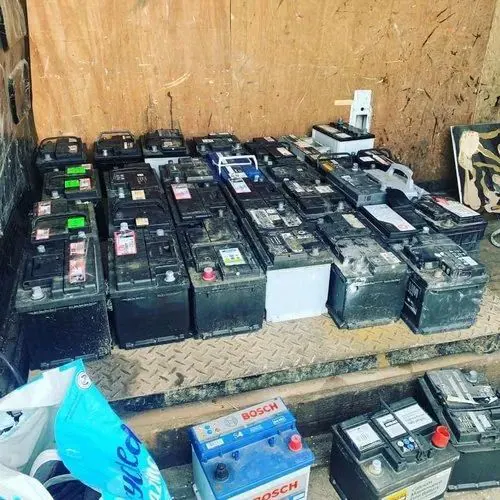
Urban Eco Recyclers · 2026 Enterprise Handbook Data Center Decommissioning – Secure Equipment Disposal The definitive corporate blueprint for secure infrastructure dismantling, compliance verification, and high-yield IT asset recovery. ✍️ Urban Eco Recyclers Infrastructure Team 🕒 14 min read 📅 Updated June 2026 📍 Varthur Hobli, Bengaluru – 560036 This comprehensive Complete Data Center Decommissioning Guide covers how corporate tech hubs execute seamless hardware modernizations or data center closure services. Executing an enterprise-grade Data Center Decommissioning plan ensures that your organization eliminates active data exposure risks, meets all state environmental mandates, and recovers substantial residual capital from decommissioned server racks, computing networks, and enterprise architectures. AI Overview & Quick Answer What is data center decommissioning? Data center decommissioning is the systematic engineering process of planning, mapping, shutting down, safely de-installing, and securely recycling or reselling enterprise IT infrastructure components (such as servers, networking gears, cooling loops, and storage setups). The process requires strict adherence to data protection standards (like NIST SP 800-88) and environmental compliance rules. To avoid massive compliance failures during large-scale enterprise upgrades, modern companies partner with certified providers of Data Center Decommissioning Services. This guide addresses the dual priorities of data infrastructure teardowns: maintaining a clear Secure Data Center Equipment Disposal chain of custody while maximizing financial asset recovery whenever you transition computing hardware or sell used IT equipment. Key Takeaways Data Center Decommissioning is a specialized, multi-stage process requiring structural planning, physical de-installation, and comprehensive legal reporting. Certified Secure Data Destruction through software erasure or physical hard drive shredding protects corporate liabilities. Partnering with an authorized KSPCB/CPCB handler guarantees total conformity with India’s E-Waste (Management) Rules. Proactive IT Asset Disposition (ITAD) strategies allow operations teams to unlock significant value through buybacks. What This Guide Covers Strategic Importance of Enterprise Data Center Decommissioning Value Optimization: IT Asset Disposition (ITAD) & Equipment Buyback The Step-by-Step Server Decommissioning Process Risk Mitigation: Secure Data Center Equipment Disposal and Sanitization Environmental Compliance: Data Center Hardware Recycling and Regulations Comprehensive On-Site Physical Dismantling Checklist Frequently Asked Questions (FAQ) Improvising large-scale technology teardowns creates immediate financial leaks and operational liabilities. At Urban Eco Recyclers, we deliver specialized logistical support throughout Bengaluru—handling structural server row teardowns, equipment grading, multi-point sanitization auditing, and certified recycling clearance so your engineering leadership can focus on forward-looking cloud migrations and corporate growth strategies. Compliance Fact: Under the Central Pollution Control Board (CPCB) guidelines and national Extended Producer Responsibility (EPR) laws, computing infrastructure components must be tracked explicitly during disposal. Neglecting certified processing triggers steep regulatory penalties and severe damage to public ESG ratings in 2026. SECTION 1 Strategic Importance of Enterprise Data Center Decommissioning Modern cloud architectures and co-location strategies demand unmatched business agility. As hyper-converged architectures replace aging legacy hardware arrays, running a flawless Data Center Decommissioning project is paramount for cost containment and space management. Transitioning high-density facilities is far more complex than standard IT equipment removal. It requires meticulous power isolation, detailed infrastructure teardowns, and careful handling of heavy machinery. Leveraging premium Data Center Decommissioning Services enables large enterprises to execute these structural teardowns without introducing security vulnerabilities into their active productions. Figure 1: Safe infrastructure dismantling and server rack extraction during a large-scale enterprise Data Center Decommissioning project. SECTION 2 Value Optimization: IT Asset Disposition (ITAD) & Equipment Buyback Retiring corporate hardware fields massive value recovery possibilities if handled strategically. Through specialized IT Asset Disposition (ITAD) frameworks, enterprise organizations transform outdated technology assets into significant injections of fluid working capital. A rigorous Data Center Asset Disposal audit grades components based on immediate secondary market viability. High-end equipment like multi-core blade servers, flash memory fabrics, and edge routers can fetch impressive returns via structured asset recovery buybacks, offsetting the logistical costs of the teardown. Infrastructure Asset Class Strategic Value Factor Primary ITAD Channel Compliance Requirement Enterprise Core Servers Processor generation, high RAM density Hardware Buyback / Resale NIST SP 800-88 Sanitization SAN/NAS Storage Arrays Drive tray density, flash memory health Value Recovery / Refurbishment Hard Drive Shredding / Soft Wipe Network Routers & Switches Port configuration, modular card options Secondary Market Resale Firmware & Config Clearance UPS Systems & Batteries Lead-acid density, raw material components Certified Materials Recovery KSPCB Eco-Recycling Mandate SECTION 3 The Step-by-Step Server Decommissioning Process Executing an enterprise-level Server Decommissioning plan demands strict operational synchronization across multiple workflows: Forensic Asset Identification: Cross-check active network configurations with physical inventory databases to track all targeted asset numbers, hardware configurations, and spatial rack coordinates. Power and Cooling Isolation: Safely disconnect corporate server bays from specialized power distribution units (PDUs) and primary cooling lines before physical extraction. Secure Data Sanitization: Erase configuration codes and storage sectors using advanced wiping platforms directly inside active racks before moving gear. Physical Dismantling: Unrack components systematically, removing network switches, server blades, patch panels, and heavy copper structural cables safely. Logistical Tracking: Package components using anti-static wraps and secure transit containers monitored via GPS-tracked freight. SECTION 4 Risk Mitigation: Secure Data Center Equipment Disposal and Sanitization Data exposure is an existential threat to modern enterprise businesses during facilities transitions. A single un-sanitized array can leak proprietary records, leading to regulatory fines and severe brand damage. Ensuring absolute compliance during your Secure Data Center Equipment Disposal program requires audited physical security. Relying on simple disk deletion commands is entirely inadequate. True corporate compliance demands media sanitization methodologies that fully align with the NIST SP 800-88 Rev. 1 standard, ensuring every single block of digital memory is completely overwritten. For storage networks that fail diagnostic checks or cannot accept software overwrites, verified Hard Drive Shredding is the gold standard. Industrial shredding equipment chops magnetic platters and solid-state storage chips into tiny particles, making digital restoration impossible. This entire process must generate an unalterable, serialized Secure Data Destruction certificate to provide your legal teams with complete, auditable compliance coverage. SECTION 5 Environmental Compliance: Data Center Hardware Recycling and Regulations When physical assets fall below resale thresholds, they must be processed through certified Data Center Hardware Recycling channels. Diverting enterprise electronic material away from
Office Relocation & Disposal Planning Guide. Plan a smooth office move with safe disposal. Call 91872 40457 today.
Urban Eco Recyclers · Bengaluru Office Relocation & Disposal – Planning Guide A complete office relocation and disposal planning guide for Bangalore businesses — move smarter, dispose responsibly, protect your data, and keep downtime to a minimum. ✍️ Urban Eco Recyclers Operations Team 🕒 13 min read 📅 Updated June 2026 📍 Varthur Hobli, Bengaluru – 560036 Quick Answer Successful office relocation and disposal planning means deciding early what to move, sell, recycle, or dispose, then sequencing the project so data is secured first, assets are inventoried, e-waste goes to an authorised recycler, and the old site is cleared and reinstated. Plan 6–8 weeks ahead to minimise downtime. An office move looks simple from the outside — pack up, drive across town, unpack. In reality, office relocation and disposal is a multi-stream project that touches IT security, asset finance, lease law, environmental compliance, and your team’s productivity all at once. The companies that move smoothly are the ones that treat disposal as part of the plan from day one, not an afterthought once the new floor is ready. At Urban Eco Recyclers, we support office relocation and disposal across Bengaluru — handling the dismantling, IT asset disposal, furniture removal, recycling, and old-site clearance so your internal team can focus on the move itself. This planning guide walks through the full process the way our project managers run it, from the first audit to the final handover. Key Takeaways Start office relocation planning 6–8 weeks ahead; early decisions shrink cost and downtime. The “move vs dispose” decision in your asset audit shapes the entire project budget. Secure data destruction must happen before any IT equipment leaves the old site. Responsible office furniture disposal recovers value through resale, donation, and recycling. One accountable provider for relocation, disposal, and clearance avoids vendor gaps and missed deadlines. What This Guide Covers Audit & the Move-vs-Dispose Decision Budget, Timeline & Project Team Data Security & IT Asset Disposal Office Furniture Disposal & Value Recovery E-Waste, Scrap & Sustainable Disposal Packing, Labelling & the Physical Move Old-Site Clearance & Reinstatement Handover, Documentation & Go-Live Why Office Relocation & Disposal Need One Plan Most businesses plan the move and improvise the disposal — and that is exactly where budgets blow out and compliance slips. When old furniture, dead IT, and e-waste are left until the last week, they get dumped, lost, or handed to an unauthorised handler. A combined office relocation and disposal plan treats every asset as a decision: relocate it, resell it, recycle it, or responsibly dispose of it. For the clearance and reinstatement side of the project, this guide pairs naturally with our office clearance timeline guide and office dismantling checklist. Compliance fact: Under India’s E-Waste (Management) Rules and Extended Producer Responsibility (EPR) framework, businesses must route electronic waste to authorised recyclers. That is why steps 3 and 5 of this office relocation and disposal plan are non-negotiable — verbal “we threw it out” does not survive an ESG or compliance audit. STEP 1 Audit & the Move-vs-Dispose Decision Every office relocation begins with a full asset inventory. Walk the floor and tag everything — IT, furniture, fit-out, and fixed services — then make a clear decision for each item. This single step drives your entire budget, because moving old, low-value furniture often costs more than replacing it. Sort every asset into four streams: Relocate: assets in good condition that fit the new layout. Resell / donate: usable items surplus to the new space. Recycle: end-of-life electronics and materials for office equipment recycling. Dispose: non-recoverable waste handled responsibly. This audit is the foundation of effective office asset disposal — it turns a chaotic clear-out into a series of planned, costed decisions. STEP 2 Budget, Timeline & Project Team With the inventory done, build the plan. Strong office move planning rests on three pillars: a realistic budget, a phased timeline, and a named project owner. Set the timeline Begin 6–8 weeks before the move date. Confirm new-site readiness, book the move window, and align disposal and clearance schedules so the old site is handed back on time. Build the team Assign owners across IT, HR, finance, admin, and facilities, plus a single external partner for relocation, disposal, and clearance. Clear ownership is what keeps office transition planning from stalling. Budget realistically Factor in dismantling, transport, disposal, recycling, new-site setup, and reinstatement of the old space — and offset it with resale value recovered from surplus furniture and IT assets. STEP 3 Data Security & IT Asset Disposal This is the highest-risk part of any office relocation and disposal project. Data does not stop being your liability when a device leaves the building. Plan IT asset disposal and IT Asset Disposition (ITAD) carefully: Back up and migrate data; confirm the new-site infrastructure is ready. Plan server room relocation or decommissioning with minimal downtime. Perform certified secure data destruction on retired drives, with a documented chain of custody (aligned to ISO 27001 practice). De-register licences, cloud devices, and access credentials. Obtain a destruction certificate for every wiped or shredded device. Routing retired electronics through authorised office e-waste disposal closes the audit trail the moment assets leave the old floor. STEP 4 Office Furniture Disposal & Value Recovery Office furniture disposal is where most relocations either recover value or simply create scrap. Treated well, surplus furniture becomes resale income; treated carelessly, it becomes a removal cost. Resell: good-condition workstations, chairs, and storage have a strong secondary market. Donate: usable furniture surplus to needs can go to NGOs or smaller businesses. Recycle: broken or obsolete furniture is dismantled for material recovery and office furniture recycling. Professional workstation dismantling and modular office furniture removal protect both the building and the resale value of each asset — a core reason to use experienced office relocation services rather than general labour. STEP 5 E-Waste, Scrap & Sustainable Disposal This step keeps your move compliant and supports your ESG reporting. A responsible office relocation and disposal plan segregates every removed item into
How Long Does Office Clearance Take Timeline Guide
Urban Eco Recyclers · Bengaluru How Long Does Office Clearance Take? Timeline Guide A realistic office clearance timeline by office size and phase — so facility, HR, and admin teams can plan a smooth, compliant move-out in Bangalore without surprises. ✍️ Urban Eco Recyclers Operations Team 🕒 12 min read 📅 Updated June 2026 📍 Varthur Hobli, Bengaluru – 560036 Quick Answer Office clearance usually takes 1–2 days for a small office, 3–7 days for a mid-size floor, and 1–4 weeks for a large or multi-floor corporate space. The office clearance timeline depends on floor area, IT and data volume, furniture quantity, and whether lease reinstatement is required. “How long does office clearance take?” is the first question every facility manager asks when a lease is ending or a relocation is approved — and the honest answer is: it depends on a handful of factors you can actually control. A compact startup floor in Bellandur can be cleared over a weekend, while a multi-floor corporate office near Whitefield with server rooms and a strict reinstatement clause can run two to four weeks. This office clearance timeline guide gives you realistic ranges and shows exactly what stretches or shortens them. At Urban Eco Recyclers, our teams plan and execute commercial office clearance across Bengaluru every week. Over hundreds of move-outs we have learned that the timeline is rarely about muscle — it is about sequencing, permissions, and data security. Get those right and even a large office clears predictably. Key Takeaways The office clearance time scales with floor area, IT density, furniture volume, and reinstatement scope. Most delays come from late lease review, lift/access bottlenecks, and rushed data destruction — not the physical work. A weekend “fast-track” clearance is possible for small offices with early planning and a dedicated crew. Secure data destruction and authorised e-waste recycling are mandatory steps that must fit inside the schedule, not be skipped. Booking professional office clearance services with single accountability is the most reliable way to hit a deadline. What This Guide Covers Office Clearance Timeline by Office Size The Office Clearance Process, Phase by Phase 7 Factors That Affect the Office Clearance Timeline Standard vs Fast-Track Office Clearance Expert Tips to Clear Faster Common Mistakes That Cause Delays Future Trends in Office Clearance (2026) Frequently Asked Questions Office Clearance Timeline by Office Size The single biggest driver of the office clearance time is floor area combined with how much IT and furniture sits on it. Use the table below as a planning baseline; reinstatement obligations can extend any band. Office Size Approx. Area Typical Headcount Clearance Time Small office Up to 2,000 sq ft < 30 staff 1–2 days Mid-size floor 2,000–10,000 sq ft 30–120 staff 3–7 days Large office 10,000–30,000 sq ft 120–350 staff 1–2 weeks Corporate campus / multi-floor 30,000+ sq ft 350+ staff 6–8 weeks Rule of thumb: add 2–7 extra days to any band if your lease requires reinstatement (make-good) to bare or warm shell — false-ceiling removal, repainting, and flooring reinstatement take time that pure clearance does not. The Office Clearance Process, Phase by Phase A professional commercial office clearance runs in overlapping phases. Knowing the duration of each helps you build a credible move-out schedule. PHASE 1 · BEFORE THE CREW ARRIVES Survey, Planning & Permissions — 2–5 days Site survey, asset inventory, lease and reinstatement review, building permits, lift booking, and stakeholder sign-off from IT, HR, finance, and admin. This planning window does not stop your office working, so it rarely sits on the critical path — but skipping it is the top cause of on-site delays. PHASE 2 · DATA FIRST IT Asset Removal & Secure Data Destruction — 1–3 days Server room clearance, network decommissioning, and certified data wiping or shredding with a documented chain of custody. This ITAD (IT Asset Disposition) phase aligns with ISO 27001 information-security practice and must be completed before devices leave the building. PHASE 3 · THE PHYSICAL CLEAR-OUT Furniture Dismantling & Removal — 1–5 days Workstation dismantling, modular furniture removal, packing of reusable assets, and transport. Duration scales directly with quantity and building access. Methodical dismantling protects resale value rather than reducing furniture to scrap. PHASE 4 · RUNS IN PARALLEL Waste Segregation, Recycling & Scrap Disposal — overlaps Phase 3 Segregation into reuse, e-waste, scrap metal, and general waste. Electronic waste is routed to an authorised recycler in line with the E-Waste (Management) Rules and EPR obligations, with recycling certificates issued. This usually overlaps the physical clear-out, so it adds little to the timeline. PHASE 5 · IF YOUR LEASE REQUIRES IT Reinstatement & Deep Clean — 2–7 days False-ceiling removal, partition and flooring strip-out, patching, repainting, reinstating the original finish, and a full deep clean ready for handover. This is the phase most often underestimated in the office clearance timeline. PHASE 6 · CLOSING THE LOOP Documentation & Property Handover — 1 day Data destruction certificates, e-waste recycling certificates, asset disposal records, before/after photos, and the joint landlord walkthrough for deposit release. The clearance is only “done” when this evidence pack is complete. Get an Accurate Office Clearance Timeline Book a free site survey and Urban Eco Recyclers will give you a fixed schedule and quote for your Bangalore office clearance — data destruction, furniture removal, recycling, and reinstatement under one accountable team. 📞 Call +91 91872 40457 💬 Get a Free Quote 7 Factors That Affect the Office Clearance Timeline Two offices of the same size can have very different office clearance times. These are the seven variables that decide where you land in the ranges above. Floor area & layout: open-plan floors clear faster than cellular offices full of cabins and partitions. IT & data volume: server rooms and large device fleets need careful, certified secure data destruction first. Furniture quantity & type: modular workstations dismantle slower than loose furniture but recover more value. Building access: service-lift availability, loading bays, and permitted working hours are common bottlenecks in multi-tenant towers. Reinstatement scope: a
Office Dismantling Checklist – Complete 8-Step Guide
Urban Eco Recyclers · Bengaluru Office Dismantling Checklist – Complete 8-Step Guide A practical, field-tested Office Dismantling Checklist to decommission, dismantle and clear any commercial workspace in Bangalore — safely, compliantly, and with zero data or environmental risk. ✍️ By Urban Eco Recyclers Operations Team 🕒 12 min read 📍 Varthur Hobli, Bengaluru – 560036 ♻️ KSPCB-Aligned Practices Closing an office, relocating to a larger floor plate, or handing back a leased space at the end of a lock-in period are all moments where one document quietly decides whether the move is smooth or chaotic: the Office Dismantling Checklist. When you are managing thousands of square feet of workstations, server racks, partitions, modular furniture, and live electrical points, a single missed step can mean a security deposit dispute, a data breach, or an environmental compliance notice you never saw coming. At Urban Eco Recyclers, our teams dismantle, decommission, and clear commercial spaces across Bengaluru every week — from compact startup floors in Bellandur to full corporate campuses near Whitefield. Over hundreds of projects, we have refined a repeatable, eight-stage Office Dismantling Checklist that protects your data, your deposit, and the planet. This guide walks you through every stage exactly the way our project managers run it on site. What This Guide Covers Pre-Dismantling Audit & Asset Inventory Planning, Permissions & Stakeholder Sign-off Data Security & IT Asset Decommissioning Disconnecting & Labelling Utilities and Cabling Office Furniture Dismantling & Safe Removal Segregation of Reusable, Recyclable & E-Waste Floor Clearance, Cleaning & Reinstatement Documentation, Certification & Handover Why a Structured Office Dismantling Checklist Matters Many facility teams treat a teardown as “just moving furniture out.” In reality, commercial office dismantling touches IT security, electrical safety, building-management rules, waste regulations, and lease law all at once. Without a structured Office Dismantling Checklist, the most common failures we are called in to rescue are: hard drives leaving the building un-wiped, false ceilings and cabling left behind triggering reinstatement penalties, e-waste dumped with general trash, and no paper trail when the landlord disputes the deposit. A good Office Decommissioning Checklist turns all of that into a controlled sequence. It assigns an owner to every task, sets the order in which trades work, and produces the documents you will need months later. Think of the checklist below as the master script our project managers follow — adapt it to your floor size, lease terms, and timeline. Quick context: Under India’s E-Waste (Management) Rules, every business is a “bulk consumer” responsible for channelling its electronic waste to an authorised recycler. That single fact is why steps 3 and 6 of this Office Dismantling Checklist exist — and why a verbal “we threw it out” is never enough. STEP 1 Pre-Dismantling Audit & Asset Inventory Everything starts with knowing exactly what is in the space. Before a single screwdriver comes out, walk the floor and build a complete inventory. This first stage of the Office Dismantling Checklist is what later lets you recover value, avoid surprises, and price the project accurately. Catalogue and tag the following: IT & electronics: servers, switches, UPS units, desktops, laptops, monitors, printers, access-control hardware, CCTV. Furniture: workstations, chairs, storage, conference tables, lockers, pantry units. Fit-out elements: partitions, glass cabins, false ceilings, carpet, signage, modular flooring. Fixed services: ACs, electrical DBs, networking racks, fire systems. Photograph the space and flag anything that belongs to the landlord versus your company. A clear inventory is the backbone of every reliable Office Decommissioning Checklist because it separates “remove,” “reinstate,” and “leave in place” from day one. STEP 2 Planning, Permissions & Stakeholder Sign-off The second step of the Office Dismantling Checklist is the one most people skip — and most regret. Before mobilising any crew, lock down the paperwork and the people. Lease & landlord obligations Re-read your lease for “make good” or reinstatement clauses. Many Bangalore commercial leases require the tenant to return the space to its original bare-shell or warm-shell condition. Knowing this now decides the entire scope of your commercial office dismantling project. Building management & access Book service lifts, agree on permitted working hours, arrange loading-bay access, and obtain any work permits the building requires. Inform security about crew movement and material removal so nothing is held up at the gate. Internal sign-off Confirm with IT, finance, HR, and admin which assets are being retained, redeployed, sold, or recycled. Capturing these decisions inside the Office Dismantling Checklist prevents the classic mistake of a wiped laptop being recycled when finance had earmarked it for resale. STEP 3 Data Security & IT Asset Decommissioning This is the highest-risk stage of any Office Decommissioning Checklist. Data does not stop being your liability just because a device left the building. Every storage medium must be accounted for and sanitised before it moves. Power down and back up servers and shared drives; confirm migrations are complete. Sanitise data via certified wiping or physical destruction of hard drives, SSDs, and tapes. De-register software licences, cloud devices, and access credentials. Remove and shred confidential physical documents and labelled archives. Insist on a destruction certificate for every wiped or shredded device. This is exactly where a professional partner earns its place in your Office Dismantling Checklist. Urban Eco Recyclers handles IT asset decommissioning with documented data destruction, so the audit trail closes the moment the asset leaves your floor — not weeks later. STEP 4 Disconnecting & Labelling Utilities and Cabling With data secured, the next step in the Office Dismantling Checklist is to safely de-energise and disconnect services. This is licensed-electrician territory, not general-labour work. Isolate and lock off power at the distribution board before any disconnection. Disconnect and cap electrical points, data ports, and plumbing serving pantries. Decommission network cabling, patch panels, and server-rack power feeds. Label everything that will be reused so it can be reinstalled correctly at the new site. Safely remove or make good signage, branding, and access-control devices. Safety note: Never let furniture crews work on the same zone as live electrical points. Sequencing