Corporate Office Waste Management – Best Practices
The definitive executive roadmap to sustainable office waste management, compliance mapping, and high-impact recycling programs.
Implementing a comprehensive strategy for Corporate Office Waste Management – Best Practices is crucial for modern enterprise workspaces seeking to minimize operational footprints. Developing structured Corporate Waste Management programs ensures that commercial offices actively align with updated environmental protocols, enhance their corporate governance ratings, and safely isolate harmful materials from local communal landfills.
AI Overview & Quick Answer
What is corporate office waste management? Corporate office waste management is the highly structured operational system used by businesses to perform waste audits, reduce resource utilization, source-segregate multi-stream discard channels (such as wet waste, dry recyclables, and e-waste), and route materials to authorized recycling facilities. It ensures seamless environmental compliance with state laws while satisfying international ESG frameworks.
To avoid massive compliance failures and high cleaning overheads, progressive facility directors integrate enterprise-grade Office Waste Management Solutions. Transitioning your facility toward a verified, Sustainable Office Waste Management framework allows management to accurately audit discard volumes, fulfill corporate social responsibilities, and unlock substantial processing efficiency across daily operations.
Key Takeaways
- Corporate Waste Management demands a thorough waste audit to discover and optimize recycling pathways.
- Source-based Waste Segregation completely prevents the degradation and contamination of valuable recyclables.
- Enforcing verified Office E-Waste Management setups satisfies national pollution board criteria.
- Adopting circular-economy frameworks transforms modern corporate offices into highly sustainable ecosystems.
What This Guide Covers
- The Critical Pillars of Corporate Waste Management
- Operational Efficiency: Waste Segregation & Office Waste Recycling Solutions
- Step-by-Step Sustainable Office Waste Management Setup
- Risk Management & Enterprise Office E-Waste Management Protocols
- Regulatory Frameworks and Environmental Compliance Requirements
- Comprehensive Corporate Sustainability Procurement Checklist
- Frequently Asked Questions (FAQ)
Improvising commercial sorting systems generates high garbage overheads, clean-up liabilities, and immediate carbon footprint increases. At Urban Eco Recyclers, we provide expert corporate field support across Bengaluru—delivering physical facility assessments, multi-tier bin asset deployments, certified destruction clearance, and authorized removal services so your operations teams stay focused on high-level growth benchmarks.
The Critical Pillars of Corporate Waste Management
High-density business environments generate dynamic material outflows daily. Managing these streams effectively requires professional Corporate Waste Management configurations that address modern workspace demands without complicating facility layouts.
True long-term resource optimization extends far beyond placing simple baseline trash receptacles in copy rooms. It relies on comprehensive infrastructure designs, robust behavioral reinforcement programs, and clear vendor coordination pathways. Integrating highly efficient Office Waste Management Solutions helps organizations manage massive disposal channels cleanly, avoiding building health concerns and maximizing workplace layout productivity.

Operational Efficiency: Waste Segregation & Office Waste Recycling Solutions
Executing an effective Business Waste Management Best Practices agenda depends heavily on sorting materials at the absolute source. When unwashed food packaging or general wet items leak into dry sorting areas, batches of high-quality office papers, cardboards, and clean polymers instantly lose their secondary processing capability.
A deliberate Office Waste Recycling initiative utilizes distinct color codes to separate processing streams cleanly. Securing high material purity rates across source containers maximizes the commercial value of materials, lowering haulage fees and establishing seamless source loops for corporate resource reclamation.
| Waste Stream Class | Target Source Components | Primary Collection Protocol | Processing Target Objective |
|---|---|---|---|
| Dry Recyclables | Printer paper, cardboard, PET containers | Blue marked specialized source containers | Direct Circular Fiber / Material Re-entry |
| Office E-Waste Management | Monitors, computer mice, internal cards, chargers | Dedicated, fire-safe secure facility bins | Authorized KSPCB Material Extraction |
| Hazardous / Biomedical | Fluorescent bulbs, cleaning agents, first-aid waste | Red lined safety secure isolation units | Certified Commercial Treatment Disposal |
| Organic Waste | Pantry scrap, cafeteria food, garden trimmings | Green certified aerated containers | Local Mechanical Bio-Composting Loops |
Step-by-Step Sustainable Office Waste Management Setup
Transitioning toward a certified Sustainable Office Waste Management posture requires a systematic, phased deployment plan across all facility operations:
- Baseline Waste Auditing: Measure daily material output weights across your building floors to map out primary resource loss areas.
- Centralized Sorting Stations: Remove un-segregated trash bins from under employee desks, replacing them with centralized, multi-stream sorting stations.
- Visual Guideline Cues: Use clean icons and explicit language labels on bins to prevent worker sorting hesitation and lower contamination rates.
- Staff Engagement Initiatives: Train custodial crews, food contractors, and internal office teams to preserve the integrity of your material recovery streams.
- Traceable Logistics: Partner with certified clearance networks that document monthly recycling and landfill diversion performance metrics.
Risk Management & Enterprise Office E-Waste Management Protocols
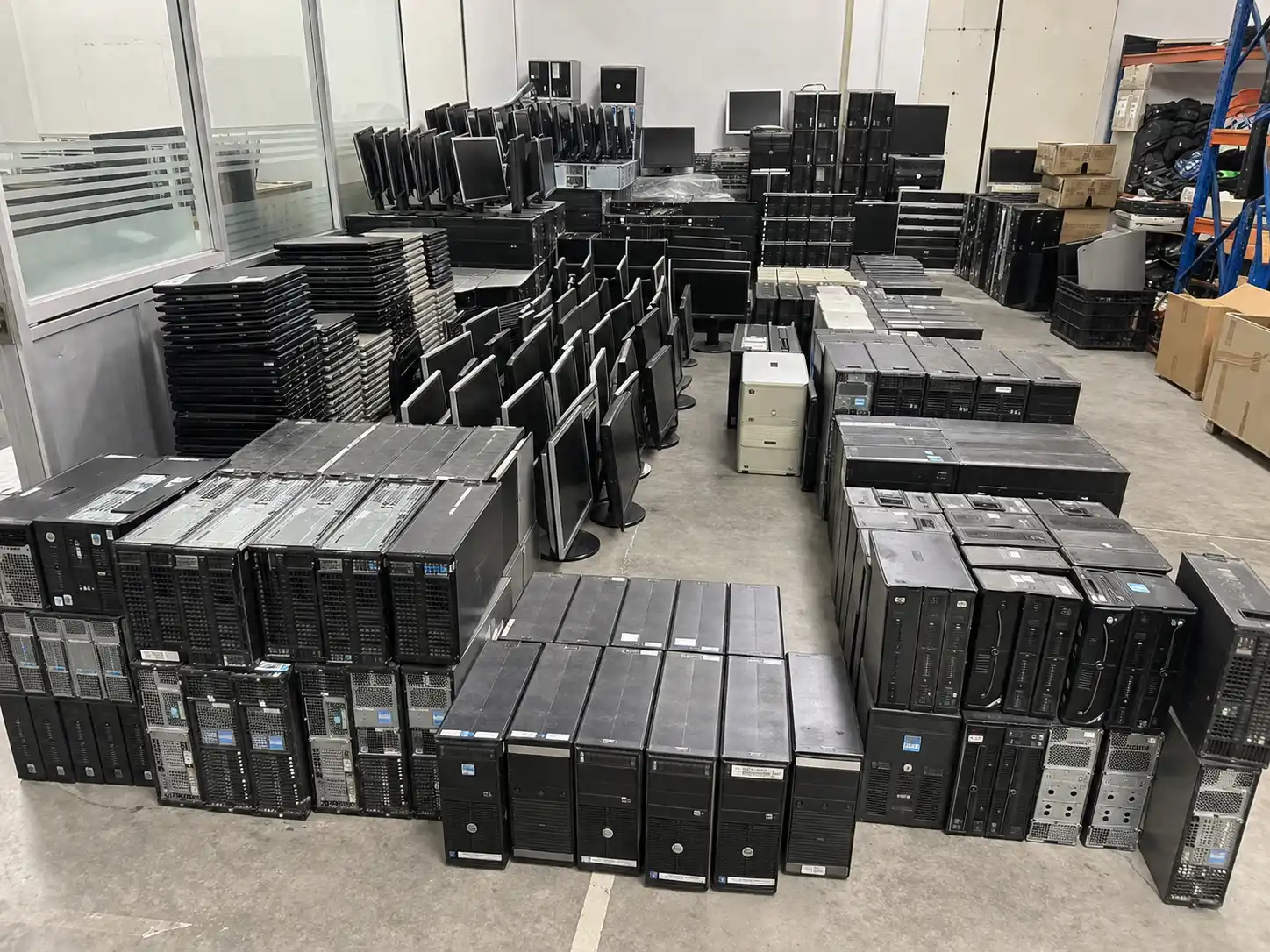
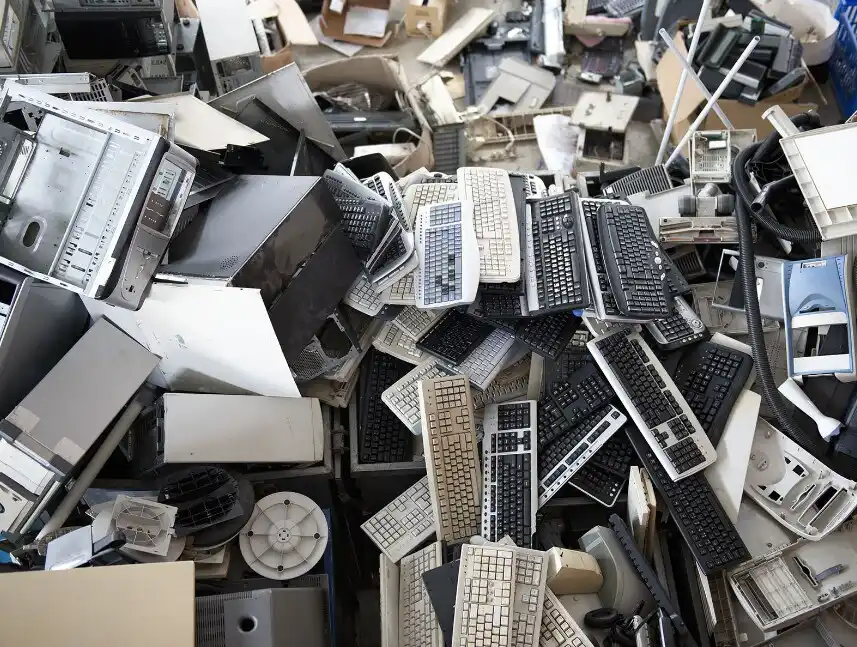
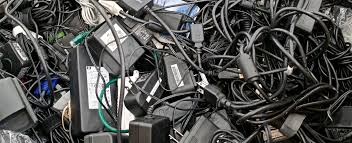
Electronic discards present high security and environmental liabilities for modern commercial enterprises. Obsolete components like hard drives, internal memory circuits, and end-of-life laptops can leak sensitive intellectual data if left un-monitored. Safeguarding operations requires implementing precise Office E-Waste Management workflows.
Simply throwing broken company hardware into general storage rooms or unverified trash bins is unacceptable. True regulatory and data security alignment requires tracking assets down to their unique serial numbers, running certified data wiping, or conducting physical media shredding before any equipment leaves company premises.
Partnering with an authorized, high-tier extraction partner secures your digital assets and provides reliable environmental oversight. Every processing milestone must generate permanent, serialized documentation, protecting your business against data discovery issues and fulfilling modern ESG compliance parameters.
Regulatory Frameworks and Environmental Compliance Requirements
Navigating modern corporate requirements demands strict alignment with environmental laws. In highly populated commercial centers, dumping un-segregated business scrap into public containment zones is explicitly prohibited by law.
Enterprise waste workflows must directly conform to India's E-Waste (Management) Rules, Swachh Bharat directives, and regional Karnataka State Pollution Control Board (KSPCB) operational mandates. Running audited sorting systems inside your corporate facilities satisfies these legal obligations while demonstrating a clear commitment to United Nations Sustainable Development Goals (SDGs) and international environmental frameworks like ISO 14001.
Comprehensive Corporate Sustainability Procurement Checklist
Deploy this verification list during operational assessments to ensure total compliance across your material management tracks:
- Conduct a full office facility waste audit to map out major volume drivers.
- Set up clearly labeled, color-coded collection bins at high-traffic centralized locations.
- Confirm your corporate waste vendor holds active, verified state environmental permits.
- Secure serialized collection manifests for all outgoing commercial tech components.
- Convert pantry operations away from single-use plastics to eliminate baseline waste generation.
- Compile certified quarterly recycling receipts from state-authorized treatment facilities to fulfill your ESG reporting needs.
Optimize Your Office Sustainability Metrics
Urban Eco Recyclers handles corporate waste assessments, centralized sorting bin rollouts, secure paper shredding, and certified e-waste recycling for leading enterprises across Bangalore.
📞 Speak with a Sustainability Consultant 💬 Request an On-Site Facility AuditStrategic Workspace Sustainability Insights
Frequently Asked Questions (FAQ)
What is corporate office waste management?
Why is waste segregation at the source critical for corporate spaces?
How can companies responsibly handle obsolete electronics and IT discards?
What role does waste management play in corporate ESG and CSR reporting?
How can our facility transition smoothly toward a zero-waste office goal?
Contact Urban Eco Recyclers
Address: Site No. 8K, No. 1092/8/78/79, Ground Floor, 1st 'B' Main Road, A&T Junction, Janatha Colony, Dodda Kannelli, Varthur Hobli, Bengaluru – 560036
Phone: +91 91872 40457
Email: ewastescrap.blr@gmail.com
Hours: Monday – Sunday (24/7 Support)
© Urban Eco Recyclers, Bengaluru · Corporate Waste Management · Sustainable Infrastructure · Certified Recycling Programs