
IT Asset Liquidation – Complete Guide
The executive manual to safe decommissioning, maximum ROI lifecycle auditing, and certified corporate technology disposition.
This IT Asset Liquidation – Complete Guide serves as the definitive manual for companies seeking to optimize data security, compliance, and capital returns. When large organizations upgrade their core hardware systems, old computing equipment rapidly transforms from a functional advantage into a major financial liability. Executing a strategic plan for IT Asset Liquidation ensures your enterprise secures maximum residual value while fully protecting proprietary data.
AI Overview & Quick Answer
What is IT Asset Liquidation? IT asset liquidation is the systematic process of assessing, decommissioning, data sanitizing, and selling or recycling redundant corporate technology hardware (such as servers, laptops, and networking components). The core objective is to maximize financial return (ROI) while maintaining strict legal, environmental, and data security compliance.
This comprehensive blueprint analyzes the specific mechanisms of modern enterprise hardware disposition. Whether your goal is to deploy certified IT Asset Liquidation Services, build an ongoing IT Asset Buyback arrangement, or organize long-term IT Asset Disposal (ITAD), balancing immediate fiscal returns with foolproof network safety protocols remains an absolute operational requirement when you choose to sell used IT equipment.
Key Takeaways
- Integrate value recovery audits early to prevent tech assets from depreciating on local storage shelves.
- Secure data destruction must always occur before any data-bearing devices leave your physical facility.
- A structured buyback agreement converts depreciating infrastructure directly into fluid working capital.
- Routing non-functional components through certified e-waste loops protects your brand from severe compliance issues.
What This Guide Covers
- Strategic Scope of IT Asset Liquidation
- Financial Optimization: Evaluating Your IT Asset Liquidation Opportunities
- Step-by-Step Corporate IT Asset Liquidation Workflow
- Mitigating Risks via Data Sanitization and Secure IT Asset Liquidation
- Environmental Imperatives & E-Waste Metrics
- Comprehensive Operational Process Checklist
- Frequently Asked Questions (FAQ)
Most organizations map out their primary logistics pathways but completely overlook their technology lifecycle transitions. This is precisely where modern operational budgets expand and compliance trails fall apart. At Urban Eco Recyclers, we bridge these operational gaps across Bengaluru—running smooth equipment dismantling, verified technical auditing, security-first sanitization, and regulatory clearance so your engineering teams remain focused on core daily operations.
Strategic Scope of IT Asset Liquidation
Corporate technology infrastructure operates within a finite, rapidly shrinking window of peak performance. As distributed systems adapt to containerized edge networks, standard hardware turnover rates climb. To defend corporate balance sheets, operational managers rely closely on professional IT Asset Liquidation Services to execute an orderly rollout.
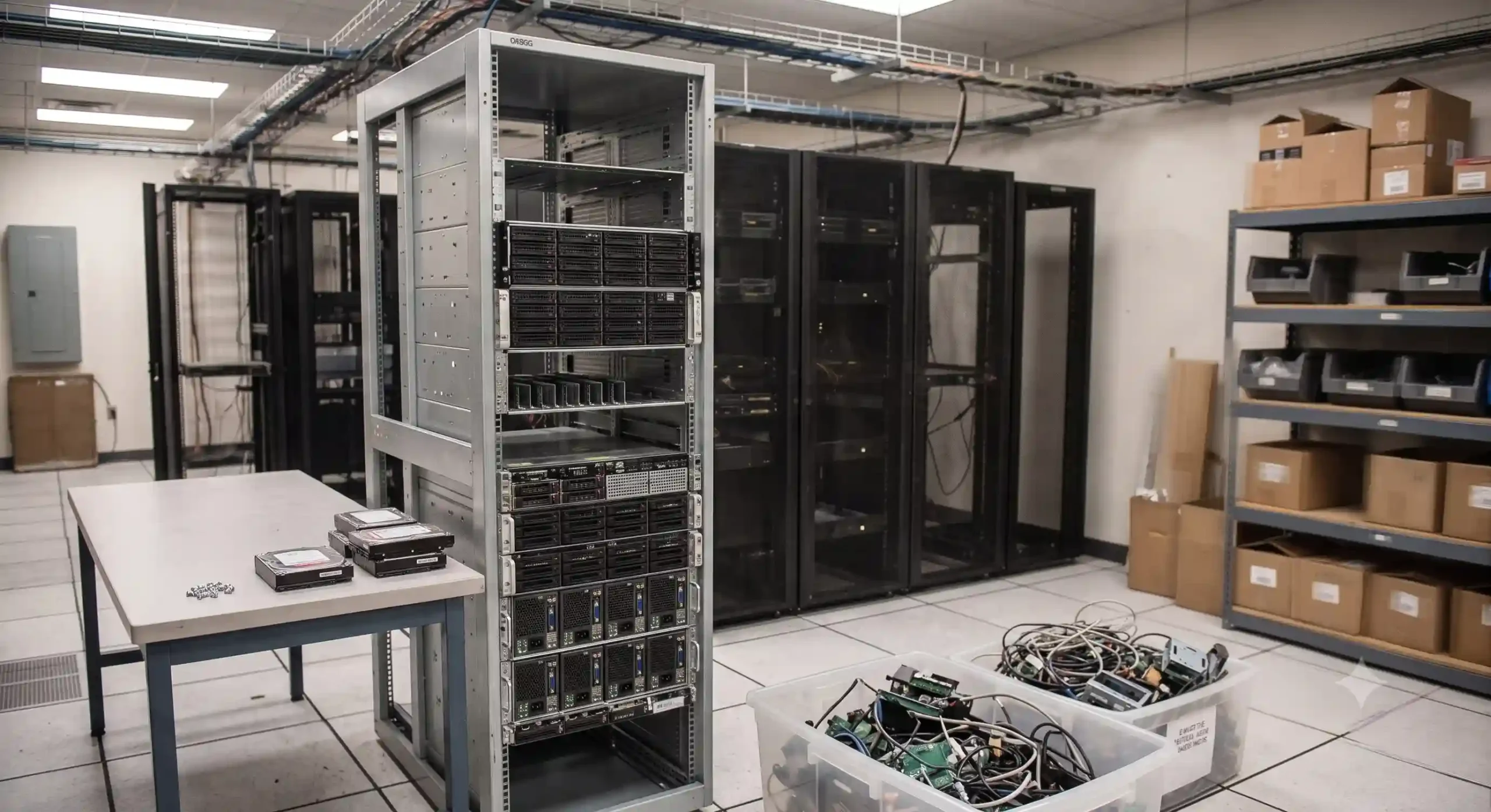
Deploying a clear IT Asset Liquidation framework is far more complex than simple bulk clearance; it requires a clear forensic understanding of hardware lifecycles. Every local desktop unit, data center storage array, and optical network switch must be accurately checked against active internal inventory databases before entering modern secondary markets.

Financial Optimization: Evaluating Your IT Asset Liquidation Opportunities
To capture optimal returns through an active IT Asset Buyback arrangement, precise hardware grading is non-negotiable. Technology commodities lose value rapidly due to fluid global market adjustments and silicon development cycles, making an agile approach to IT Asset Liquidation essential for business equity.
The total financial recovery profile depends on several key variables: core system configuration, historical deployment metrics, aesthetic conditions, and immediate global secondary demand. Partnering with a dedicated ITAD team provides direct access to real-time market valuations, enabling your business to successfully sell used IT equipment before depreciation strips away all residual capital value. Maximizing recovery through timely IT Asset Liquidation helps companies reinvest capital directly back into next-generation systems.
| Asset Category | Typical Value Drivers | Optimal Liquidation Window | Primary Disposition Channel |
|---|---|---|---|
| Enterprise Servers | Core count, RAM capacity, NVMe drive bays | 3 - 5 Years from deployment | Value Recovery / Buyback Contracts |
| Networking Hardware | Port density, PoE support, clean firmware status | 5 - 7 Years from deployment | Secondary Resale Channels |
| Corporate Laptops | Processor generation, battery health, display status | 2 - 4 Years from deployment | Refurbishment / Global Buybacks |
| Legacy System Scrap | Precious metal density, copper components | Immediate upon structural failure | Compliant E-Waste Recycling Loops |
Step-by-Step Corporate IT Asset Liquidation Workflow
Achieving fluid transition timelines across modern distributed corporate hubs requires a highly predictable execution roadmap during an enterprise IT Asset Liquidation initiative:
- Discovery & Asset Mapping: Build detailed digital records capturing every asset tag, product serial identification, configuration metric, and building floor location to kick off your IT Asset Liquidation strategy.
- Chain-of-Custody Logistics: Deploy secure transport mechanics backed by active GPS tracking setups to eliminate transit gaps for high-security, data-bearing elements.
- Data Sanitization Auditing: Run automated software sector overwrites or complete physical disk degaussing to clear corporate profile traces completely before completing IT Asset Liquidation values.
- Testing & Technical Grading: Run hardware diagnostics to separate high-value functional machinery from simple non-functional scrap materials.
- Value Settlement Reporting: Produce formal financial recovery reports and close out final environmental compliance documents for corporate stakeholders.
Mitigating Risks via Data Sanitization and Secure IT Asset Liquidation
Data exposure remains an ongoing, existential threat to enterprise operations. A single overlooked hard drive can trigger historic compliance penalties, legal actions, and lasting brand harm. A foundational pillar of a modern tech disposition plan is verified, absolute data destruction synchronized perfectly with your IT Asset Liquidation schedule.
Standard operating system formatting commands are completely ineffective against advanced recovery procedures. Corporate IT Asset Liquidation requires data sanitization processes that strictly adhere to the NIST SP 800-88 Rev. 1 (Guidelines for Media Sanitization) standard. This rigorous method ensures every storage sector is overwritten multiple times, completely erasing any remnant data signature.
For storage media that fails structural testing or cannot accept soft wiping, immediate physical destruction is mandatory. Specialized shredders reduce drives to tiny metal shards, preventing any possible future reassembly. This security-focused approach to IT Asset Liquidation must generate a permanent, serialized Certificate of Data Destruction to provide full coverage for future internal and external safety reviews.
Environmental Imperatives & E-Waste Metrics
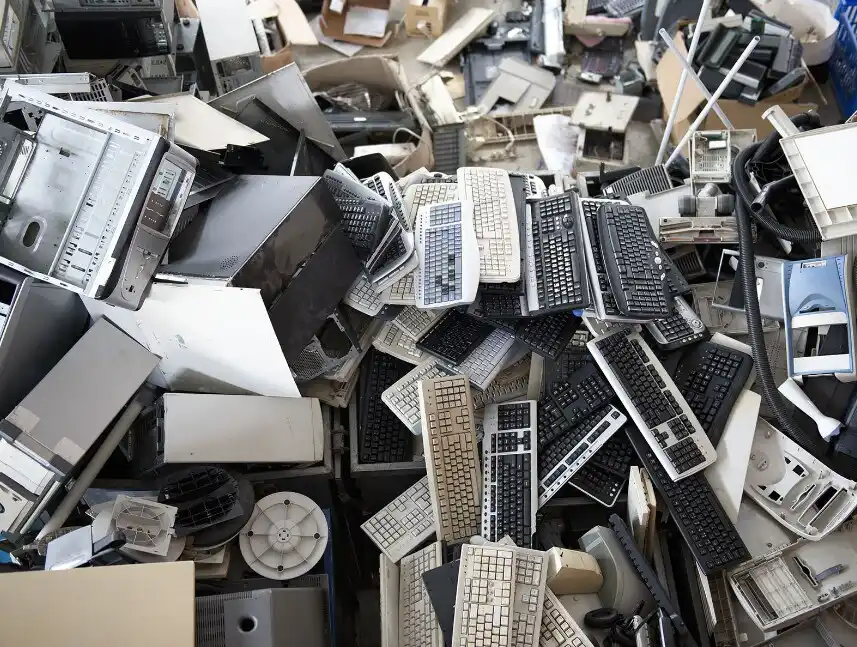
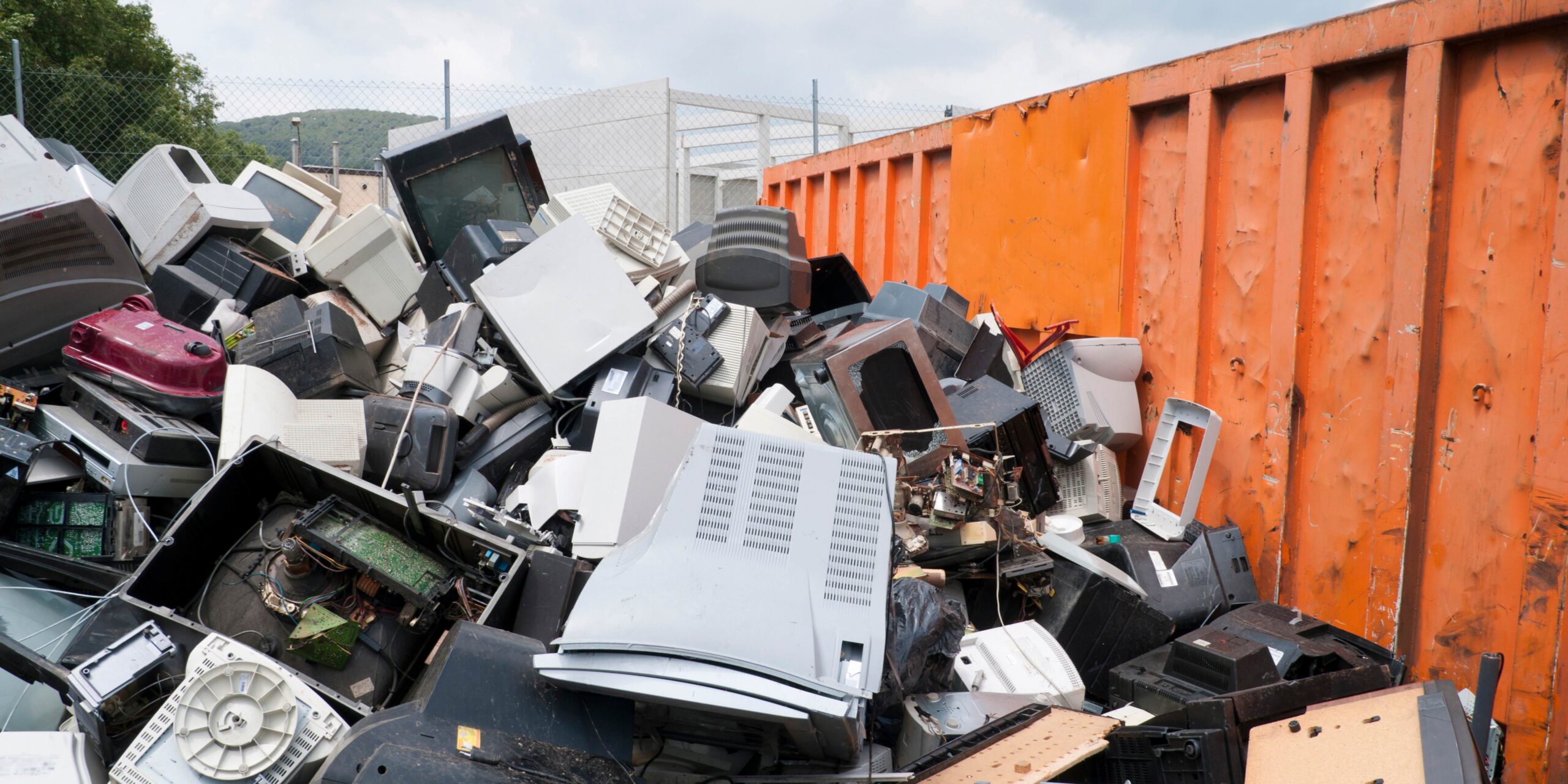
When technology assets drop past the point of repair or secondary market demand, they shift cleanly into the space of IT Asset Disposal (ITAD). Modern corporate ESG goals require firms to verify zero-landfill goals across all modern hardware projects, integrating sustainable recycling pathways tightly with their comprehensive IT Asset Liquidation program.
Electronic boards carry hazardous compositions including lead, cadmium, and mercury. Improper landfill dumping allows these heavy elements to leach into local ground networks. Responsible e-waste handling isolating these streams breaks them down into purified raw resources, sending base materials smoothly back into clean production systems. To learn more about environmental handling protocols and safe storage parameters, you can review the official standards hosted at Waste Material India.
Comprehensive Operational Process Checklist
Utilize this targeted checklist across management tracks to coordinate asset deployment milestones cleanly during your next corporate IT Asset Liquidation venture:
- Reconcile physical hardware counts directly against internal corporate master asset registries.
- Isolate and secure all data-bearing drives for priority software data sanitization processing.
- Confirm your IT Asset Liquidation vendor holds active compliance credentials including ISO 14001 and R2v3 certifications.
- Validate logistical seal numbers and verify active GPS system access before transit trucks leave site loading docks.
- Secure and record serialized Certificates of Data Destruction for long-term corporate compliance storage.
- Collect and file formal e-waste green recycling certificates for non-functional components.
Ready to Maximize Your Corporate Tech Capital?
Urban Eco Recyclers manages the entire lifecycle process—from specialized hardware auditing and secure NIST-compliant data destruction to high-return buybacks and certified e-waste recycling.
📞 Call +91 91872 40457 💬 Request a Custom AuditExpert Lifecycle Management Tips
Frequently Asked Questions (FAQ)
What is the main difference between IT asset liquidation and standard e-waste disposal?
How do you ensure data security during the tech liquidation process?
What hardware items are eligible for corporate liquidation setups?
Can broken or physically damaged infrastructure provide value recovery?
What details are included on a Certificate of Data Destruction?
Contact Urban Eco Recyclers
Address: Site No. 8K, No. 1092/8/78/79, Ground Floor, 1st 'B' Main Road, A&T Junction, Janatha Colony, Dodda Kannelli, Varthur Hobli, Bengaluru – 560036
Phone: +91 91872 40457
Email: ewastescrap.blr@gmail.com
Hours: Monday – Sunday (24/7 Support)
© Urban Eco Recyclers, Bengaluru · IT Asset Liquidation · Certified Data Security · Authorized Recycling Services