Computer Recycling in Bangalore – Complete Guide
Free pickup. CPCB certified. Data secure destruction. ₹10-30L material recovery value. 95%+ resource recovery. Step-by-step guide for individuals and businesses.
Quick Guide Overview
Computer Recycling in Bangalore guide covers: (1) Why recycling matters (environmental, financial, compliance), (2) Service types (desktop, laptop, servers, networking), (3) Step-by-step recycling process (collection through material recovery), (4) Data security procedures (DBAN certification, chain of custody), (5) Material recovery value (precious metals, copper, aluminum), (6) Choosing certified recyclers (CPCB authorization, certifications), (7) Free pickup availability, (8) Revenue sharing opportunities. Professional computer recycling transforms old equipment from liability into ₹10-30L value generation while ensuring regulatory compliance and environmental protection.
Table of Contents
- Why Computer Recycling in Bangalore Matters
- Computer Recycling Services Bangalore Overview
- Desktop and Laptop Recycling Process
- IT Equipment Recycling (Servers, Networking)
- Old Computer Disposal Methods & Options
- Complete Step-by-Step Recycling Process
- Benefits of Professional Computer Recycling
- How to Choose Certified E-Waste Recycler
- Material Recovery & Value Breakdown
- FAQs
- Schedule Your Pickup
Why Computer Recycling in Bangalore Matters
Computer Recycling in Bangalore addresses critical environmental, financial, and compliance challenges. Bangalore generates 120,000+ tonnes of IT equipment waste annually—highest concentration nationally. Improper disposal contaminates soil/water, harms 12,000+ lives per million tonnes, and wastes ₹1,900+ Cr material value annually. Professional recycling prevents environmental damage while recovering ₹10-30L per organization annually.
Environmental Impact
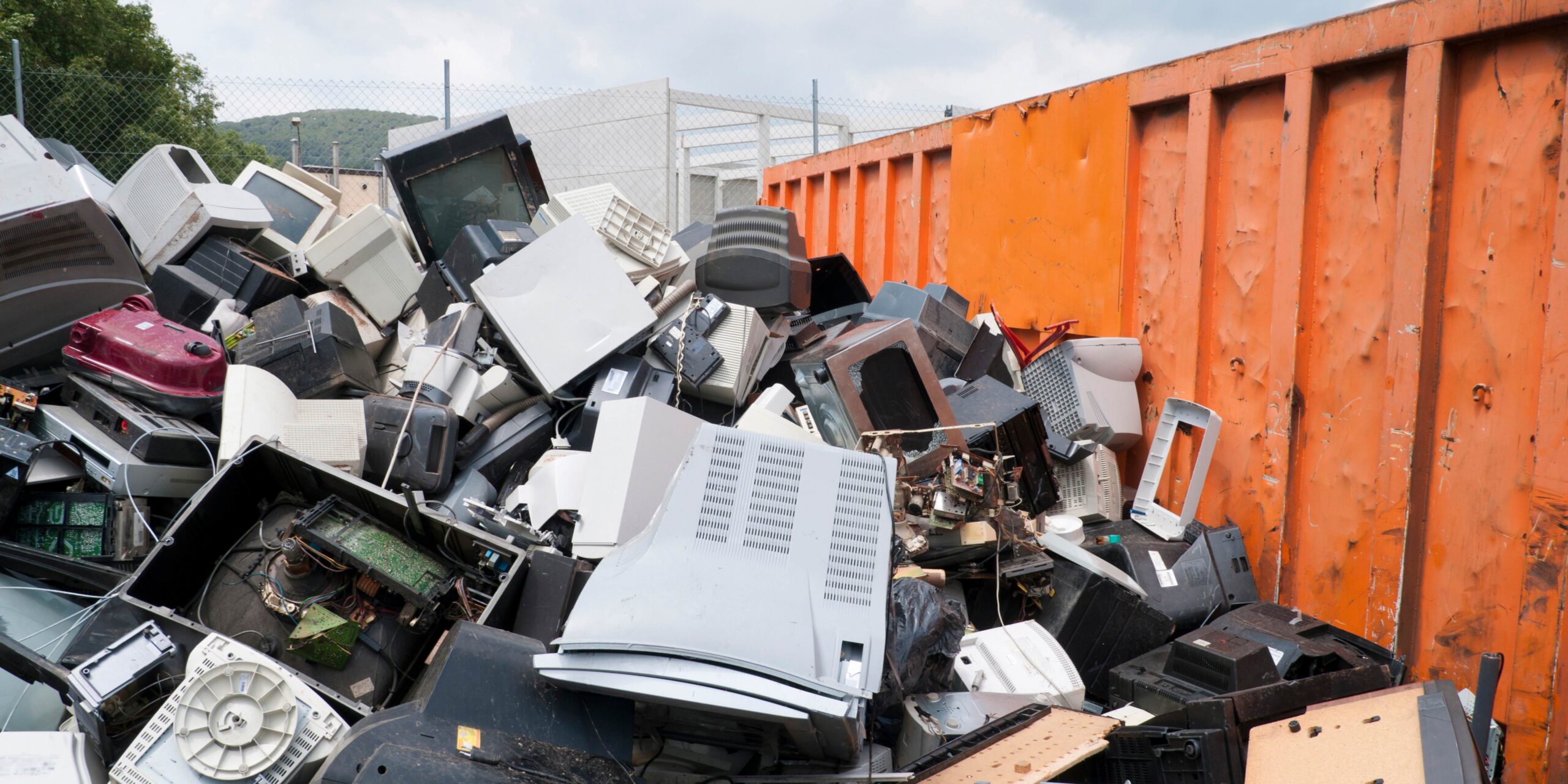
One computer contains toxic materials: lead (₹200-500 value but 1kg contaminates 12,000 litres water), mercury (₹5,000+ per kg but permanently toxic), cadmium (accumulates in food chain). Improper disposal leaches toxins into groundwater affecting agricultural regions. Professional recycling: isolates hazardous materials safely, prevents environmental contamination, recovers toxic-wrapped materials. One tonne IT equipment recycled = 100 tonnes ore mining prevented = ₹5,000-7,500 Cr environmental value.
Financial Benefits
Computers contain concentrated material value: processors (₹10,000-50,000/kg gold), copper wiring (₹150-250/kg), aluminum cases (₹80-120/kg). One desktop recovers ₹500-2,000. One server recovers ₹5,000-20,000. Organizations disposing 100 computers annually recover ₹50-200K. Companies upgrading IT infrastructure (servers, workstations) generate ₹5-20L recovery value through professional recycling—offsetting 30-50% of upgrade costs.
Regulatory Compliance
E-Waste (Management) Rules 2016 mandate certified disposal. KSPCB (Karnataka State Pollution Control Board) enforces compliance in Bangalore. Violations trigger ₹5-10L penalties plus operational restrictions. Organizations lacking proper recycling documentation face regulatory audits, fines, and potential legal liability. Professional Computer Recycling Services Bangalore provide compliance documentation protecting against penalties.
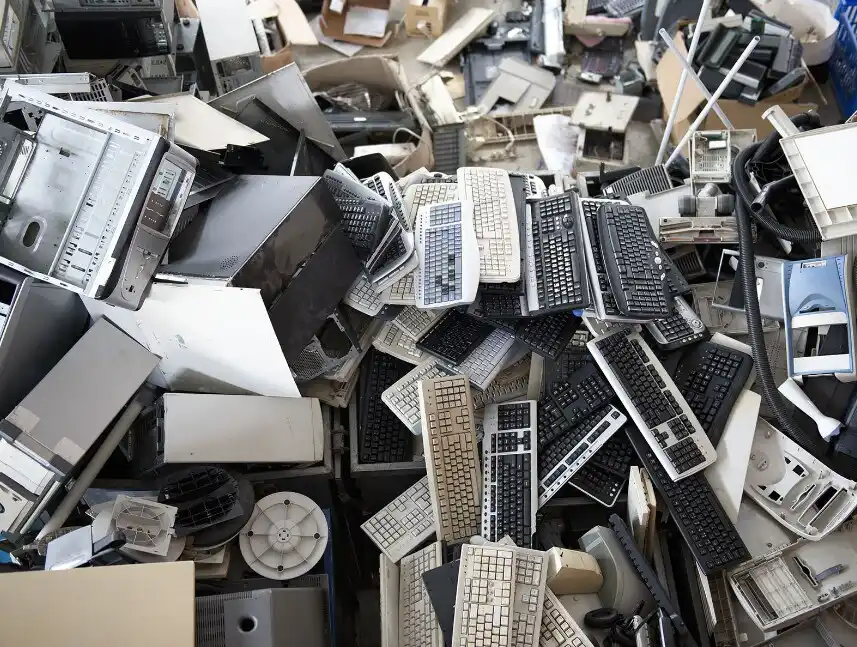
Key Fact: 95% of computer waste improperly disposed in Bangalore—illegal dumping (₹30-50L environmental damage), crude backyard recycling (hazard exposure), unauthorized exports. Professional recycling addresses 5% gap, but growing—50-fold infrastructure expansion needed by 2030.
Computer Recycling Services Bangalore Overview
Service Categories Offered
| Service Category | Equipment Covered | Typical Volume | Processing Time |
|---|---|---|---|
| Household Computer Recycling | Desktop, laptop, monitors, peripherals | 1-5 units | 10-15 business days |
| Corporate Bulk Recycling | Office equipment, servers, workstations | 50-500 units | 15-30 business days |
| Data Center Decommissioning | Enterprise servers, storage arrays, networking | 500-5,000+ units | 30-60 business days |
| Refurbishment & Resale | Functioning computers for secondary market | 20-30% of intake | 5-10 days (testing + repair) |
| IT Asset Remarketing | Certified refurbished systems for businesses | Varies | Ongoing sales |
| Free Pickup Service | Any quantity, free transportation | Unlimited | 48-72 hours scheduling |
Desktop and Laptop Recycling Process
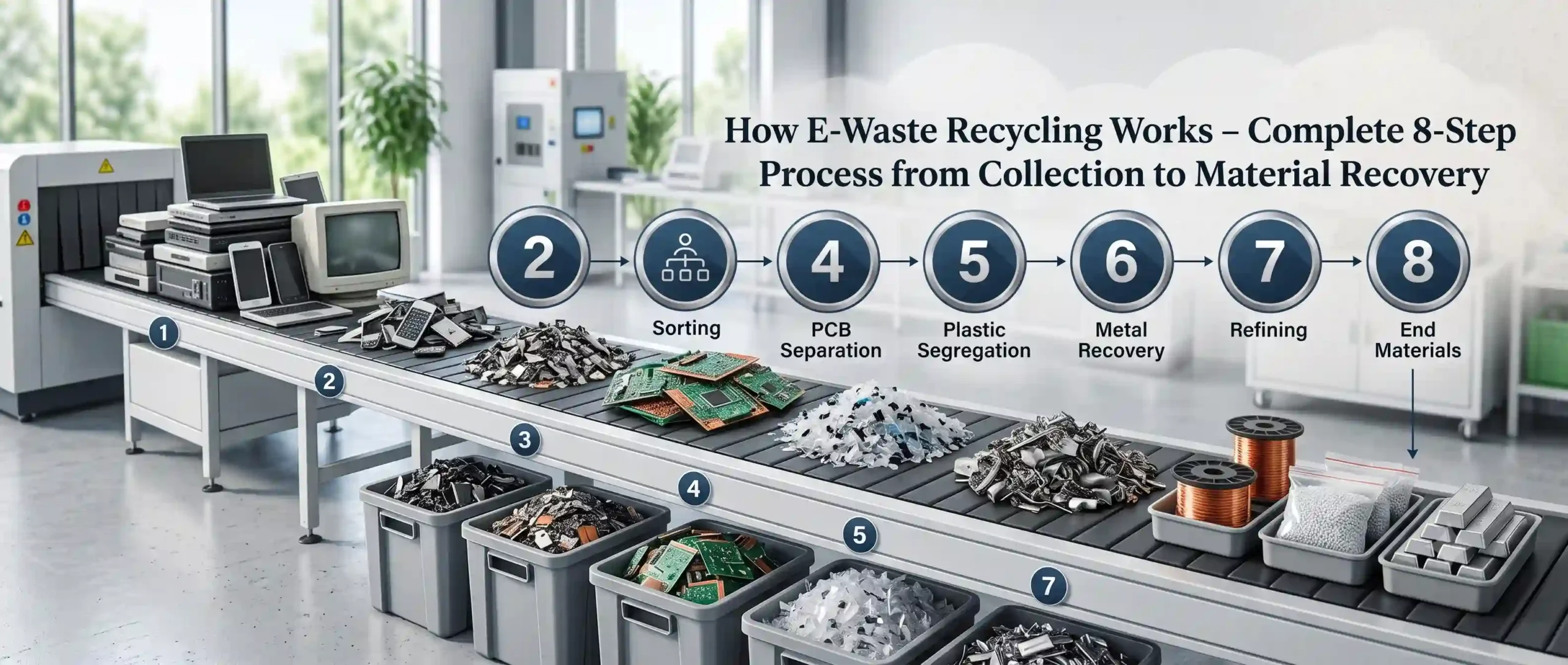
Step 1: Free Pickup & Transportation (48-72 hours)
Computer Recycling Services Bangalore offer free pickup for residential/corporate locations. Secure vehicles transport computers to processing facility. GPS tracking ensures transparency. Pickup includes: collection manifest documentation, device inventory with serial numbers, condition assessment, organization representative signature establishing chain of custody.
Step 2: Data Security & Destruction (1-2 days)
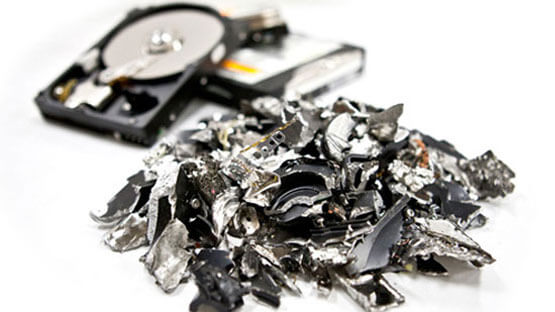
Desktop and Laptop Recycling prioritizes data protection: DBAN-certified hard drive wiping (DoD 5220.22-M standard), physical drive shredding ensuring zero recovery, destruction certificates provided. Laptops require SSD destruction (more complex than HDDs). All data destruction verified through forensic testing before mechanical recycling proceeds.
Step 3: Component Refurbishment Assessment (1 day)
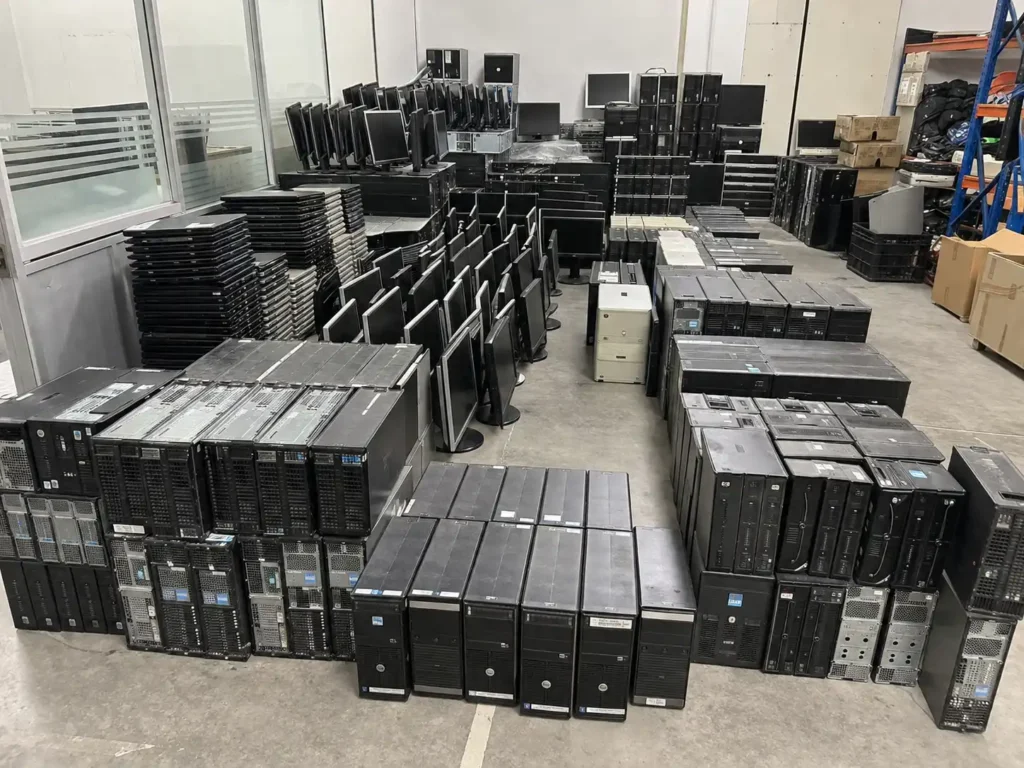
Functioning equipment (20-30% of intake) tested for refurbishment potential: desktop computers, laptops, monitors, printers evaluated for secondary market resale. Repairable units directed to refurbishment stream (extends lifecycle 2-3 years, generates ₹5-15K/unit revenue). Non-functional units proceed to recycling stream.
Step 4: Manual Disassembly (2-3 days)
Skilled technicians disassemble computers recovering high-value components: processors (gold-plated pins ₹500-1,000/kg value), memory modules (₹300-500/unit), hard drives (recovered for resale/shredding), power supplies (copper transformers ₹100-150/kg), motherboards (mixed metals ₹50-100/unit). Manual disassembly recovers 15-20% additional material value vs. mechanical shredding alone.
Step 5: Mechanical Shredding & Separation (1-2 days)
Remaining materials shredded (10-20mm fragments), then separated: magnetic extraction (ferrous metals), eddy current separation (non-ferrous metals), air classification (light materials), density separation. Plastic housings recovered for reprocessing. Glass and ceramics separated for secondary uses.
Step 6: Precious Metal Extraction (3-5 days)
Circuit boards undergo chemical extraction: leaching (acid dissolves metals), electroplating (recovers metals electrochemically), refining (achieves high purity). Recovered materials: gold (₹1,200-1,800/gram), silver (₹60-80/gram), platinum (₹4,000-6,000/gram).
Step 7: Material Sales & Revenue Sharing (Ongoing)
Processed materials—precious metals, copper ingots, aluminum scrap, plastic pellets—sold to manufacturers. Organizations receive: material recovery reports, revenue documentation, disposal certificates. Typical sharing: 65% organization / 35% recycler (negotiable).
IT Equipment Recycling: Servers, Networking & Beyond
Server Recycling Value Recovery
Enterprise servers contain concentrated precious metal content: processors (12-16 cores = ₹15,000-40,000 gold value), memory modules (32-128GB = ₹5,000-15,000), power supplies (redundant PSUs = ₹2,000-5,000 copper value), storage drives (enterprise SSDs/HDDs = ₹2,000-8,000). One server typically recovers ₹30-100K through material recovery. Data center decommissioning (50-100 servers) generates ₹15-100L recovery value.
Networking Equipment Recycling
IT Equipment Recycling includes networking infrastructure: routers (copper circuit boards), switches (precious metal-rich processors), patch panels (copper connectors), cables (copper wire ₹150-250/kg). Data center networks typically contain 50-200kg copper/unit—₹7.5-50K recovery value per switch/router. Telecom equipment recycling generates significant scrap value through dense metal components.
Storage Arrays & Backup Systems
Enterprise storage (NAS, SAN, backup appliances) contain: multiple hard drive bays (10-50+ drives per unit), redundant power supplies, copper cooling systems. One storage array recovers ₹50,000-300,000+ through component extraction and precious metal recovery. Data destruction critical for storage systems—requires secure deletion of all drives before recycling proceeds.
Old Computer Disposal Methods & Options
Disposal Method Comparison
| Disposal Method | Cost to Organization | Environmental Impact | Data Security Risk | Compliance |
|---|---|---|---|---|
| Professional Recycling (KSPCB-Certified) | -₹10-20K (revenue generated) | ✅ Zero contamination | ✅ DBAN certified | ✅ Full compliance |
| Local Unauthorized Recyclers | -₹0-5K (minimal cost) | ❌ 90% contamination | ❌ No verification | ❌ Violations |
| Donation/Refurbishment | -₹5-10K (tax benefit) | ✅ Extends lifecycle | ⚠️ Device dependent | ✅ ESG benefits |
| Landfill Disposal | ₹2,000-5,000 | ❌ Permanent contamination | ❌ Zero protection | ❌ Criminal liability |
| RECOMMENDED: Professional + Refurbishment Hybrid | +₹15-30K (net revenue) | ✅✅ Maximum benefit | ✅✅ Full security | ✅✅ Complete compliance |
Complete Step-by-Step Computer Recycling Process
For Individuals (1-5 Computers)
Step 1 (5 min): Contact Urban Eco Recyclers via phone (9187240457) or WhatsApp. Provide: device type/quantity, location, preferred pickup date.
Step 2 (48-72 hrs): Free pickup scheduled. Secure vehicle collects devices. Organization representative signs collection manifest.
Step 3 (10-15 days): Processing begins: data destruction, component assessment, refurbishment screening, material recovery.
Step 4 (15-20 days): Completion. Individual receives: disposal certificate, material recovery report, photos of processing. For high-value devices (laptops with precious metals), revenue sharing document provided.
For Businesses (50-500 Computers)
Step 1 (1 hr): Consultation with IT asset manager. Audit: device inventory, data classification, processing requirements. Custom quote provided (typically ₹0-5K net cost or +₹15-30K revenue depending on equipment age/value).
Step 2 (1-2 weeks): Phased collection schedule coordinated (minimize business disruption). Devices collected in batches. Full documentation maintained.
Step 3 (15-30 days): Secure processing: priority data destruction for high-classification devices, separate processing streams for servers vs. workstations, ongoing progress reporting.
Step 4 (30-45 days): Completion. Organization receives: aggregate destruction report, per-device certificates, material recovery breakdown, revenue distribution, ESG documentation for sustainability reporting.
For Data Centers (500+ Servers)
Step 1 (1-2 weeks): Detailed site audit. Infrastructure assessment: physical removal requirements, decommissioning procedures, phased shutdown timeline. Engineering plan developed minimizing downtime.
Step 2 (2-4 weeks): Staged decommissioning. Servers removed in coordinated phases. Data destruction verified before mechanical removal. Chain of custody maintained continuously.
Step 3 (30-60 days): Processing and material recovery. High-value components extracted separately. Precious metal extraction optimized for maximum recovery. Bulk material recycled.
Step 4 (45-90 days): Final documentation. Organization receives: equipment disposition report, data destruction certifications per device, material recovery breakdown (precious metals, base metals, components by value), final invoice with revenue offset.
Benefits of Professional Computer Recycling
| Benefit Category | Individual Value | Business Value (100 units) |
|---|---|---|
| Material Recovery Revenue | ₹2-8K per computer | ₹2-8L annually |
| Free Pickup Service | ₹500-1,000 value | ₹5-10L logistics savings |
| Data Security Guarantee | Prevents ₹50L+ breach risk | Eliminates ₹200L+ liability |
| Regulatory Compliance | Avoids ₹5-10L penalties | Full audit readiness |
| Environmental Protection | Prevents soil/water damage | Protects 12,000+ lives annually |
| ESG Credentials | Sustainability documentation | ESG score +1-2 points |
| TOTAL BENEFITS | ₹50-60L value | ₹230-300L+ value |
How to Choose Certified E-Waste Recycler
Critical Verification Checklist
- ✅ CPCB Registration: Verify current CPCB authorization for e-waste processing. Request certificate proof. Check CPCB database online.
- ✅ KSPCB Compliance (Bangalore): Confirm Karnataka State Pollution Control Board authorization for Bangalore operations. Request environmental compliance certification.
- ✅ Data Destruction Certification: Verify DBAN certification capability. Request DBAN certificate samples. Confirm DoD 5220.22-M standard compliance.
- ✅ Facility Tour: Visit processing facility. Assess: secure storage areas, shredding equipment, data destruction processes, environmental controls (HEPA filtration), worker safety measures.
- ✅ Client References: Request 3-5 client references. Contact directly: confirm service quality, timeline accuracy, revenue sharing honesty, documentation completeness.
- ✅ Written Service Agreement: Require detailed contract: material recovery revenue sharing percentage (65-70% organization standard), processing timeline guarantees, destruction certification delivery dates, liability insurance coverage (₹1-5 Cr minimum).
- ✅ Environmental Credentials: Confirm: ISO 14001 certification, environmental impact reporting, waste disposal certifications, hazardous material handling protocols.
- ✅ Insurance & Liability: Verify liability insurance (₹1-5 Cr coverage), worker's compensation, environmental liability, data security insurance.
Material Recovery & Value Breakdown
Typical Computer Recovery Value
| Computer Type | Key Materials | Typical Recovery Value | Key Value Driver |
|---|---|---|---|
| Desktop Computer | CPU, RAM, HDD, copper wiring | ₹800-2,000 | Processor gold content |
| Laptop Computer | CPU, SSD, aluminum chassis, circuits | ₹1,500-4,000 | Dense metal content, precious metals |
| Monitor (LCD/LED) | Glass, copper coils, rare earth metals | ₹200-500 | Glass & rare earth elements |
| Server (1U Rack) | Multiple CPUs, RAMs, PSUs, drives | ₹15,000-40,000 | Concentrated processor/metal content |
| Storage Array (Enterprise) | 50+ drives, power systems, copper cooling | ₹50,000-300,000 | Multiple high-density drive bays |
| Network Switch (Enterprise) | Processors, copper circuits, rare earths | ₹5,000-20,000 | High-precision metal components |
Frequently Asked Questions
Q: Is computer pickup free in Bangalore?
A: Yes, Urban Eco Recyclers provides completely free pickup for Bangalore locations—residential and corporate. No minimum quantity. Pickup typically scheduled within 48-72 hours of request. Secure vehicles ensure safe transport. Free service applies to all computer types: desktops, laptops, servers, networking equipment.
Q: How is data destroyed during computer recycling?
A: Professional destruction uses: (1) DBAN-certified software wiping (DoD 5220.22-M standard—3-pass overwrite ensuring <0.01% recovery risk), (2) Physical hard drive shredding (mechanical destruction, 0% recovery), (3) Forensic verification testing confirming zero data recovery. Destruction certificates provided documenting method and verification results. Data destruction guaranteed before any material recycling proceeds.
Q: What happens to recycled computer materials?
A: Recovered materials enter manufacturing supply chains: precious metals (gold, silver, platinum) to jewelry/electronics manufacturers, copper to wire/cable producers, aluminum to automotive/aerospace manufacturers, plastics to engineering plastic suppliers, glass to computer monitor manufacturers. Material recovery reports document where materials go, enabling ESG impact reporting and circular economy participation.
Q: Can old computers be refurbished instead of recycled?
A: Yes, 20-30% of intake typically qualifies for refurbishment—functioning devices sold to secondary market or educational institutions. Refurbished computers extend 2-3 year lifecycle, generate ₹5-15K per unit revenue, provide donation tax benefits. Organizations can choose: refurbishment (higher value, extended use), material recycling (maximum environmental benefit), or hybrid (prioritize refurbishment, recycle unsuitable units).
Q: How much revenue can I expect from computer recycling?
A: Desktop: ₹800-2,000. Laptop: ₹1,500-4,000. Server: ₹15-40K. Storage array: ₹50-300K. Organizations disposing 100 computers/year: ₹80-200K revenue. Bulk pricing available for 50+ units. Revenue received as material recovery reports and direct payments. Typical revenue sharing: 65% organization / 35% recycler (negotiable for large volumes).
Schedule Your Computer Recycling Today
Free pickup within 48-72 hours. CPCB-certified processing. DBAN-verified data destruction. ₹10-30L material recovery value. Compliance documentation included.
📍 A&T Junction, Bangalore | ⏰ Mon-Sat: 9 AM - 6 PM | 📧 ewastescrap.blr@gmail.com